
TMJ is the common name for temporomandibular joint pain syndrome. The actual medical diagnosis for this type of pain is TMD or temporomandibular joint disorder. Patients who are seeking relief from chronic jaw pain are often diagnosed with the condition by their doctor, or more commonly, by their dentist. Treatment for the diagnosis is an incredibly profitable niche sector of the greater healthcare industry.
TMD is a condition that has been on the rise for the last few decades. It has no clearly diagnosed universal cause and is often another manifestation of psychosomatic pain stemming from internalized tension.
This focused essay provides proof that temporomandibular joint dysfunction can be yet another type of mindbody pain syndrome that is often mistakenly blamed on incidental structural evidence.
Causes of TMJ
Suspected causes of TMJ dysfunction include soft tissue and skeletal injury to the joint itself. This trauma can be obvious or subtle, with teeth grinding, also called bruxism, being a major cited source process used to explain symptoms. While this theory of causation can be correct, it is only an incomplete picture of the problem. Of course, the person is grinding. This is a well known indicator of emotional stress and is not a physical problem unto itself. Therefore TMD and teeth grinding therapies are horrific examples of treating the symptoms of a larger concern, rather than dealing with the underlying source itself.
In some patients, the osteoarthritic processes are implicated in causing degeneration of the joint. This type of structural change is rarely problematic, as arthritis is universal in adults and is unlikely to produce symptoms unless it is truly extreme. Remember, the temporomandibular is a very strong and well designed joint.

What is the Temporomandibular Joint?
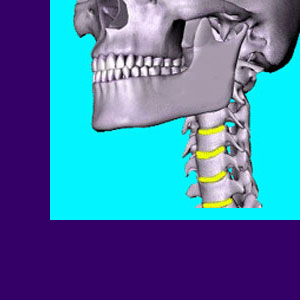
The temporomandibular joint is the hinge that secures the jaw bone to the skull. This is the structure that allows the incredible freedom of movement allowed by our bottom jaw. The temporomandibular is a multidirectional joint allowing front to back, side to side and up and down motion simultaneously. This is a strong joint and is vital in facilitating the abilities of eating and speaking.
Although the natural design of the joint is virtually flawless, leave it up to Cartesian-obsessed doctors to look for tiny abnormalities that might be utilized to justify pain and lucrative treatment. Objective research studies have found virtually no evidence of an association between commonly cited joint irregularities and the occurrence of TMJ symptoms.
TMD Symptoms
Pain in the jaw and facial muscles are the most common symptoms of TMD syndrome. A popping or clicking sound is also common when moving the jaw. Sometimes the jaw can lock in position momentarily, which can be a scary experience for the patient. Other occasional symptoms include headaches, dental pain and numbness in the facial area. Some patients are concurrently diagnosed with trigeminal neuralgia.
Patients typically have these painful expressions after sleeping, since many grind their teeth while at rest. Others grind when they are stressed and do not even realize it. Even once grinding ceases through various interventions, many patients continue to express general pain in the face or discomfort specifically in the temporomandibular joint itself.
A great number of patients also have severe tension or migraine headache expressions, which may or may not be related to the TMJ concern itself, but is almost surely another recurrent stress-induced symptom.
TMJ Disorder Facts
It is rare for the physical structures of this joint to wear out, but it is possible in rare circumstances. These physical cases of TMD are easily and successfully treated with either medication or surgery.
One of the more common causes of this syndrome is some psychosomatic condition relating to unresolved emotional issues. This type of TMJ problem is a result of oxygen deprivation to the affected joint, causing actual physical dysfunction.
Another type of psychosomatic pain often confused with traditional TMD is myofascial pain dysfunction or MPD. This type of facial pain is also caused by stress and is usually the product of a clenched jaw or grinding of the teeth while sleeping. Some patients have such severe conditions of MPD that they actually clench or grind all day without even realizing their actions.

Therapy Recommendations for TMJ Sufferers
I know a few people that reported some painless clicking in the jaw to their dentists. They were referred to a specialist and diagnosed with TMD, despite having no pain. Well, the majority of these people did develop pain after suffering the nocebo effect of this scary sounding diagnosis. Some were treated surgically, but the majority still have significant jaw pain.
These patients are familiar to me since they also experience severe back pain. I know from my own experience that temporomandibular joint dysfunction is a common substitute symptom for psychological back pain.
The patients who have experienced both back ache and TMD have often beaten both using knowledge therapy. If the TMD was actually caused by some physical defect, the back pain would be gone, but the TMD still there. The fact that both disappeared proves the link between both conditions and some maladapted psychological process.
If you are suffering from TMJ disorder, you might want to check out knowledge therapy before consenting to some surgical or pharmaceutical treatment. If it does not work for you, there are still the medical methods available, with no harm done. However, statistics show that most TMD pain is related to a mindbody cause. No sense fighting a psychological battle using a physical treatment. You have to identify the correct cause in order to expect relief.
It really comes down to this: Sure, you grind and that causes pain. But… Why do you grind? That is entering the realm of the psychological and leaving the realm of the medical or dental far behind.