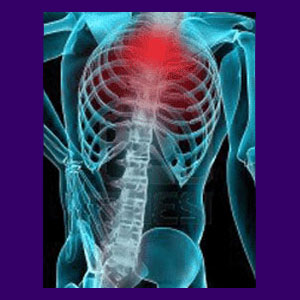
Acute upper back pain is most commonly due to a muscular back injury. The upper back is incredibly sturdy and does not experience the same motion-related injuries and degeneration common in the lumbar and cervical regions of the human vertebral column. However, upper back pain can be a big problem for a patient and can limit their upper body functionality to a large degree.
Most acute symptoms will scare a patient with their savagery. However, it is crucial to understand that just because pain is severe and sudden, does not mean that there is a serious causation responsible, nor does it indicate that the pain will last for long. In fact, most acute upper back aches will resolve without any particular care within a few days to 2 weeks. That being said, it is always a good idea to see your doctor for new or unexplained pains, since these may be signs of significant health issues in rare circumstances.
Acute Upper Back Pain Causes
Acute upper back symptoms can be the result of a herniated disc problem or arthritic change, among many other structural issues. Disc injuries can be painful, especially when they first occur, but typical osteoarthritis is unlikely to be acutely symptomatic. Many spinal irregularities are blamed for creating acute and chronic back pain, illogically. Remember, symptoms often do not match the theorized verdict, lending immediate thought to the possibility for misdiagnosis.
Muscular pain is common in the upper back due to injury, overuse or psychosomatic process. Most acute expressions which occur in between the shoulders and involve limits in moving the arms or neck are soft-tissue related. Acute pain that lasts and lasts despite a variety of attempted treatments might actually be psychogenic in nature, explaining the ineffectiveness of therapy at resolving the suffering. If your pain has not responded to indicated care, stress may well be the true source, instead of some coincidental structural condition which may exist nearby the site of pain.

Acute Upper Back Pain Treatments
Heat and ice are wonderful conservative treatments for muscular back pain. Try not to overuse prescription pain killers if the symptoms are tolerable. These drugs have powerful side effects that are far worse for the body than most patients understand.
Never rush towards any drastic or invasive treatment for severe upper back pain without good reason and a few diagnostic opinions suggesting immediate operative intervention. Most back surgeries are not necessary and show poor results for correcting long standing pain conditions. Remember, you want to get better, not worse, and many surgeries show little hope of truly ending most back ache syndromes long-term.
Acute Pain in the Upper Back
I suffered from occasional moderate upper back muscle pain during my original 18 year battle with agonizing lower back pain. I always believed most of these flare-ups were minor muscular injuries sustained in martial arts training. Therefore, I never let this thoracic pain really get to me, so it did not last long. I wish my horrible lumbar back pain followed this same path. Now I am at a place in life where my symptoms are widespread and include the upper and middle back regions often. I do have possible structural causes to support these symptoms, but I am also sure that various stresses in life are also at least partially to blame. Remember that health is a combined effort of both mind and body in all cases.I understand that upper back pain can be very limiting. It can affect the movement of your neck, head, arms and shoulders and can be an instigator for anxiety and headaches.

Try to relax and think clearly when it comes to your pain. Do not let the misery boss you around. The only difference between temporary acute symptoms and long-term chronic suffering is the ability to recover and put the pain behind you. Make sure that you do this so that there is no chance for a psychosomatic pain syndrome to perpetuate the symptoms far into your future.
Upper back pain rarely involves a serious source, even though it might feel severe. However, it is worth getting an exam to be sure. Why take chances? Take it one day at a time and let your mind and body heal you.
Do not make more of the pain than truly exists and it will be short lived. Worry and obsess over it and you might just have a new worst enemy living in your spine for years.