
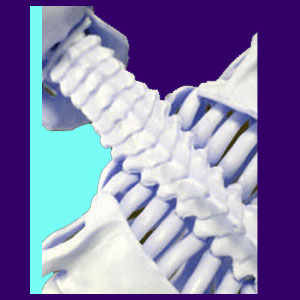
An ankylosing spondylitis diagnosis is a devastating pronouncement for any patient, since the condition is known to be life altering and extremely symptomatic in most cases. AS is also known as Marie Strümpell disease, as well as Bechterew’s disease or Bechterew syndrome, so the diagnostic verdict may be worded to accommodate these less often utilized terms.
Ankylosing spondylitis is a slowly progressing condition in most cases, making fast and efficient diagnosis virtually impossible, since the early stages of the disease appear much like many other less significant musculoskeletal issues. In many cases, AS is misdiagnosed in patients who simply have other arthritic conditions, leading to a powerful nocebo effect.
This article takes an inside look at the diagnosis of ankylosing spondylitis and the problems associated with positive confirmation of the diagnostic theory.
Ankylosing Spondylitis Diagnostic Methods
Ankylosing spondylitis can be diagnosed subjectively through various modalities. X-ray imaging will visualize the telltale signs, but not until the disease has already become quite problematic. MRI, and other forms of advanced imaging, can show the signs of the condition in less severe and even asymptomatic stages, although these signs are rarely diagnosed as ankylosing spondylitis until far later.
There are a variety of genetic markers associated with AS, but these can not confirm diagnosis. However, they may be helpful in predicting who will continue to progress into symptomatic variants of the syndrome with time. Many patients also demonstrate the presence of certain atypical proteins in the blood, but this is surely not limited to AS sufferers.

Ankylosing Spondylitis Diagnosis Issues
As you can see, verifiable diagnosis of ankylosing spondylitis is basically a process of educated guess, elimination and waiting. There is no accurate test which confirms the diagnosis, especially early on in the disease. This makes many patients have to wait until the condition becomes a real health issue to seek treatment. By this time, many of the modalities used to care for patients are less effective.
This is an all too common problem with medical science in general, and especially with degenerative conditions of the musculoskeletal system. Although work continues on developing diagnostic criteria for AS in earlier stages, breakthroughs have been extremely limited in both scope and success.
Diagnosing Ankylosing Spondylitis
If you demonstrate any of the usual signs and symptoms of ankylosing spondylitis, it is always advised to seek evaluation from a spondylitis specialist who may be able to guide you in your treatment efforts.
Many general medical providers misread the symptoms as osteoarthritis and you may waste a decade or more seeking ineffective therapy for this condition, while all the while the spondylitis is growing in severity. Unfortunately, since this condition is difficult to recognize in the beginning stages, this is a very common occurrence.
Just be wary that misdiagnosis as rheumatoid arthritis, gout or lupus is relatively common and may delay effective treatment for quite some time.
Ankylosing spondylitis comes in many levels of symptomology, so given a positive attitude and a consistent care program, many patients will not be struck down and will be able to maintain a good quality of life long-term. In fact, many cases become completely inactive, decreasing in symptomology organically over time.
Back Pain > Ankylosing Spondylitis > Ankylosing Spondylitis Diagnosis