
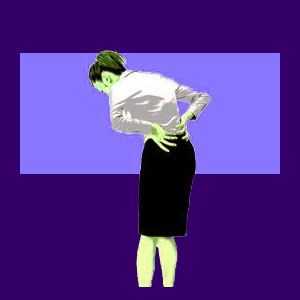
Back and abdominal pain is a typical mix of symptoms which may share a common neurological or psychoemotional source process. Lower back pain is the most common type of serious back ache. The nerves of the lower back are involved in providing feeling and function to the abdominal region. It is no surprise that conditions which affect the lumbar spine might also affect the muscles and organs in the lower abdomen. Likewise, abdominal issues may also be related to sensitive emotional concerns, as may the incidence of low back ache. Therefore, it is typical for symptoms in both regions to have some definitive association, either physically or psychologically.
This discussion focuses on explaining symptomatic occurrences in the lumbar and abdominal regions.
Back and Abdominal Pain Definitions
Combination back pain conditions between these 2 areas are often experienced alternately or simultaneously. Dysfunction in any of the lumbar structures can possibly affect other anatomical regions, such as the buttocks, legs, feet or abdomen. Sometimes the cause of the abdominal pain is a direct result of a lower back pain syndrome, while other times, the pain is due to a sympathetic response.
A pinched nerve or spinal stenosis condition in the lumbar spine might create havoc for structures and organs in the abdominal region. This is especially true if the sacral spinal nerves are compressed as they pass through the region before exiting the spinal column.
Oxygen deprivation of the spinal nerve roots can cause regional pain in many areas of the lower body. This syndrome is almost always caused by a psychosomatic process and can continue for many years if not correctly diagnosed.

Psychogenic Back and Abdominal Issues
The abdomen is a typical location for many assorted psychologically induced pain syndromes to occur. Gastrointestinal distresses of all types are symptoms often associated with psychogenic causation. Pain in the lower abdomen and genitals is a classic anatomical response for many patients with deeply rooted psychological issues or known life stresses.
Lower back pain enacted by the mindbody process is an epidemic condition which continues to grow each year. Many patients experience a variety of pain syndromes at once or in rotation. These back pain substitute symptoms are all part of the distractive process used by the subconscious mind to protect the individual from repressed emotional issues.
The possibility for a mindbody syndrome should always be factored into the equation when considering all potential causes and contributors to a combination of symptoms without a definitive structural source process.
Warnings for Back and Abdominal Pain
Pain in the abdomen can be the sign of a serious health condition. All unexplained abdominal pain conditions should be immediately evaluated by a qualified medical doctor. Organ dysfunction, cancer, appendicitis, gall bladder conditions and sexual diseases can all cause abdominal pain.
Some of these problems can be life threatening and no patient should ignore serious internal abdominal pain. Luckily, most abdominal pain conditions are not serious and sometimes turn out to be a form of common digestive tract sensitivity.
Back and Abdominal Considerations
Besides suffering from horrible and debilitating lower back pain for decades, I also suffered from a chronic series of abdominal conditions throughout my entire life. Actually, my gastrointestinal problems pre-dated my my chronic lumbar back pain by many years, beginning around the age of 10. I continued to have an unpredictable and often painful stomach for over 24 years.

I found some success using knowledge therapy to resolve my low back ache for several years. I also enjoyed success in treating a variety of other conditions using the same approach, including curing all of my gastrointestinal concerns. When I get some abdominal discomfort now, it is always due to some emotional reason and simply recognizing the cause seems to be enough to banish the symptoms quickly. This is why I support knowledge therapy as worthwhile, since I continue to see benefits of it in my own experience.
I am still amazed at the close connection between the back and the abdominal region. But, then again, they share common links… including nerves and the mind. Either may be the cause of symptoms in both locations. Once a patient is aware of this fact, they will be better prepared to face the challenge of finding effective treatment based on logical facts rather than medical myths.