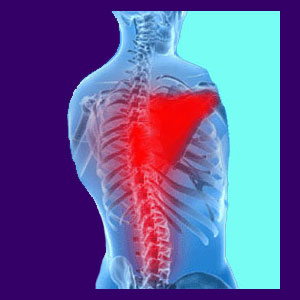
A back muscle injury is one of the most common of all damaging events in the back and spine. The back muscles are very strong and resistant to injury, but can still be traumatized from many possible causes. Most injuries to the back are acutely painful, but some can become chronic health issues if left unchecked.
Resulting back muscle pain might be excruciating, but most muscular injuries are not serious and few even require formal medical attention. Most commonly, muscular symptoms simply need time and basic rehabilitation in order to feel good as new. However, to be sure, it is always worth consulting your doctor or physical therapist if your pain is severe or lasting.
This factsheet details the usual varieties of muscular injury to the back and spine. We will examine therapeutic care approaches and provide some important truths about chronic or recurrent muscular pain syndromes.
Diversity of Back Muscle Injury Scenarios
Injury to the back muscles and ligaments usually takes the form of a sprain or strain. These events typically occur from overuse or abuse.
Repetitive stress back pain is generally muscular in nature, but can prove to be a real problem for patients whose work involves using the same muscles over and over. In RSI cases, small injuries to the soft tissues accumulate over time to eventually cause considerable symptomatic expressions in some patients. Just be warned that some RSI diagnoses are incorrect and demonstrate no proof of any lasting damage or scar formation within the muscles.
Serious muscle and ligament tears can even cause muscles to become detached from their respective bones. These rare events can create considerable functional limitations and pain, often requiring professional and sometimes drastic treatment. Surgery is sometimes indicated to reattach tissues that have torn free and will not heal organically.

Injured Back Muscle Treatment
The general rule for minor back muscle pain is that the area should be iced for the first 24 to 48 hours and then given liberal heat for several days. Wet heat always works best to really warm up the area and increase circulation. The region should be rested, but not immobilized. Immobilization and bracing are usually counterproductive and should not generally used unless special circumstances apply.
It is important not to place ongoing stress on an injured muscle, to prevent additional damage and possible scar tissue from forming.
Acupuncture or OTC pain management drugs may be considered for severe pain, but patients are advised to stay clear of prescription drugs for back pain, unless their symptoms are truly unbearable.
Back Muscle Injury Help
Never forget that many psychosomatic pain syndromes use actual or perceived injury as a trigger mechanism for chronic back pain to begin. Rarely is this condition correctly diagnosed, which explains why so few patients find permanent relief from their nagging symptoms.
Be vigilant to watch out for the signs of any pain which might be caused, worsened or perpetuated through the oxygen deprivation process.
Do not stress over minor injuries, as these will heal in a short time, even without formal treatment. Just use common sense and take it easy until you feel completely better. Serious muscular injuries should be professionally rehabilitated by a qualified physical therapist or sports medicine specialist.