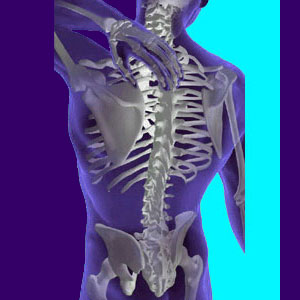
A back muscle sprain is a typical diagnosis used to explain common muscular back pain. The diagnosis of sprain is usually used to describe a condition in which a muscle or ligament is overstretched and possibly torn to a minor degree.
A serious tear or detachment in a muscle or ligament is usually referred to as a strain. The words are sometimes used interchangeably and the most significant of these soft tissue pathologies can sometimes be positively identified using advanced imaging techniques, such as an MRI or CT scan. However, in most cases, the diagnosis is made based on clinical observation and without the benefit of any imaging study.
This essay examines muscular sprains in the dorsal anatomy and their functional consequences.
Causes of Back Muscle Sprain
Back muscles and ligaments are some of the largest and strongest in the body. They are not prone to serious injury except in extreme physical circumstances, such as severe trauma, constant overuse and abuse, or attack by a neuromuscular disorder. Minor muscular tears and pulls are common and not normally any cause for concern. In fact, the process of building increased muscular mass is wholly dependent upon injuring the muscle to a small degree and having the body repair it, thereby adding new muscle cells to bulk up the structure.
Ligament tears and pulls are also a common experience for patients experiencing muscular back pain. In many instances, it is the ligament attached to the muscle which might surrender to trauma first, since these may not be as strong as the muscle itself in some cases.

Back Muscle Sprain Symptoms
The usual symptoms of back sprain are similar to many other types of back ache condition. Here are some common expressions of minor muscular sprain and strain:
Pain can be localized or radiating from a centralized hot spot anywhere in the dorsal region. Pain may be centered in the lower back, middle back, upper back, in between the shoulders or in the neck.
Pain might extend into one or more limbs, often bringing up the possibility of neurological involvement.
Pain is virtually always elicited or exacerbated from moving the affected and surrounding muscles.
Swelling can produce a lump, bump or generalized “knots” in the traumatized tissue.
Affected tissue may feel hot to the touch, on the surface or internally.
Muscles might feel weak and have limited movement or endurance capacity.
There may be noticeable inflammation or bruising locally or regionally.
Treatment for a Sprained Back
Most back sprains will heal on their own without medical intervention. Serious sprains or strains might require treatment or even surgical correction. Usually, simple symptomatic treatment is all that is required.
Patients can usually provide effective treatment themselves using simple and effective home remedies. If patients do seek professional care, it is their responsibility to be wary of the pharmaceutical products often prescribed, since these substances are toxic to body and mind and can have serious long-term consequences from even short duration use.
Patients are also cautioned to be mindful that any diagnostic imaging that may be performed might uncover structural abnormalities in the spine. This can set the stage for a protracted period of ever-worsening pain if the patient suffers a diagnostic nocebo effect. Patients are always advised to learn the facts of their spinal abnormalities before seeking any care aimed at resolving conditions that might not require any treatment at all.

Back Sprain Conclusions
Back sprain can occur from virtually any physical activity. Many patients report the commencement of muscular agony rather suddenly after doing such seemingly innocent physical tasks as opening a window, lifting an object, bending over or doing yard work. In many instances, these injuries may come about because the person simply overdid it and worked too hard or for too long. These types of symptoms will be uncomfortable for 24 to 48 hours, but should not leave any residual effects.
Pain which is severe or long lasting falls into one of 2 typical categories:
The first includes more significant muscular strains which may require more time to heal or even professional treatment.
The second category includes mindbody symptoms which use the trigger mechanism (lifting an object, for example) as a convincing time to begin a psychosomatic pain condition. This second option is not often considered, but is the actual source of continuing pain in many patients.