
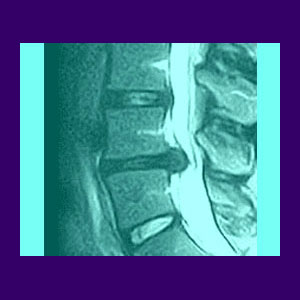
A back pain radiologist is a medical professional who specializes in reading diagnostic films detailing structural spinal abnormalities. When it comes to diagnosing back pain, the role played by a radiologist is paramount. No single medical care provider can do more to negate the effects of a structural discovery, or set the stage for protracted suffering, than the humble radiologist. To think these opposing destinies can be put into motion simply through the choice of words used on the radiological report.
In all my years being involved in back ache research and patient advocacy, the majority of correspondence I receive is from patients who hired a radiologist to conduct and read an MRI study, but still have absolutely no idea what the report given to them means. This is purely unacceptable.
True, it is not the job of the radiologist to explain anything to the patient directly. That responsibility falls on the shoulders of the doctor who ordered the test. However, someone has to be sure that patients can actually decipher their own diagnostic findings, since when it comes to matters of health, every single patient has a right to full disclosure and complete comprehension of what is going on in their body.
Back Pain Radiologist / Hero or Villain?
Most radiologists are hired to ascertain if there is any structural reason which might be used to explain an acute or chronic back pain complaint. Generally, radiologists simply do the tests and write an objective report detailing anatomical findings. These findings are provided to the patient’s doctor, who will interpret the results and compare them to the symptoms and experiences of the affected patient. In these cases, the radiologists are heroes, since they help to make an accurate diagnosis and do not taint the process with speculation about the nature of the painful condition.
However, some radiologists go that extra step and write about the potential symptoms and possible impairments caused by their findings. This is very speculative business and can border on inappropriate, when the words will definitely have an iatrogenic effect on the patient. Remember, once a structural condition is discovered in the spine, the way the diagnosis is presented can calm and reassure the affected individual or can enact a powerful nocebo effect, leading to an escalation and perpetuation of symptoms. In these cases, the radiologists might certainly be viewed as villains.

Back Pain Radiologist Guidance
I was lucky during my chronic lumbar back pain experience. I received many diagnostic radiology tests, including x-rays, MRI tests and CT scans during my decades of suffering. I do not recall once having to deal with a radiological report which overly speculated on the cause of my pain. Unfortunately for me, some of my care providers did enough to create a nocebo effect and set the stage for persistent agony.
I do however, receive many spinal MRI reports from all of you and sometimes, I am horrified at what I read. In some cases, the radiologist is obviously speculating on conditions which are not even close to be proven via the test results.
In rare instances, the radiologist completely oversteps their boundaries and is obviously in league with a crooked care provider to frighten the living daylights out of some poor soul, who is already in so much pain. This type of behavior disgusts me and I find it amazing that these providers continue to practice medicine without constant litigation. Often times, these particular radiologists are part of a personal injury mill, working to enslave the patient in ongoing and highly profitable therapy.
When back doctors place the value of money above the health and wellbeing of their patients, something must be done! To me, the penalties are not great enough and probably never will be.
This page is not a cheap shot at the majority of respected and ethical back pain radiologists who enhance the medical system with their work. It is merely a word of warning to the minority of radiology professionals who help create back pain with their speculative and often illogical conclusions. It must be mentioned that someone does notice these diagnostic concerns.