A back spasm is one of the most painful life experiences for any person to endure. Muscle spasms in the back can be truly horrific and debilitating. I am intimately acquainted with these unbelievably painful occurrences, since I suffered with them for 18 years of my adult life. I guess that now I am lucky, in a way, since my pain has become chronic, but is rarely acute and does not seem to produce these devastating spasmodic flare-ups in recent years.
This discussion provides an overview of spasms in the back and spine, including the potential causes and effective treatments for this agonizing condition. We will tackle this topic from a unique firsthand perspective.
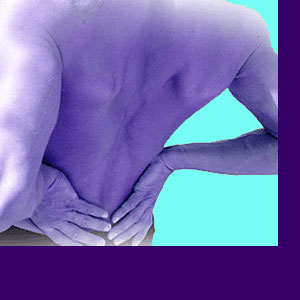
Painful Back Spasm
A spasm is a powerful contraction or stiffening of the muscle. A muscle spasm can occur due to a variety of reasons and can be a terrifying experience, especially in the postural musculature. When a muscle goes into spasm, the person is unable to stop the forcible tightening of the muscle and surrounding tissue.
Muscle spasms are designed to protect the injured area, by limiting motion in painful tissue. However, for most back ache sufferers, this protective process goes overboard and wreaks torture on the poor patient for minutes, hours or even days.
Muscle spasms are theorized to be brought on by back injury, advanced degenerative processes or oxygen deprivation. Degenerative conditions thought to bring on spasms are usually very serious and do not fall into the realm of the usual spinal aging processes which we all experience. In most cases, these patients demonstrate unstable spines due to very significant deterioration in the bones, discs or overall shape and contour of the vertebral column. In cases of injury, spasms may be induced by inflammation, nerve damage or other reasons. Most spasms due to acute trauma will not become chronic and should resolve as the initial healing period commences.

Oxygen Deprivation Back Spasm
One of the most common reasons for muscle spasms to occur is from ischemia. This is the same process that occurs when a person experiences cramps from continued muscular usage. Long distance runners and other endurance athletes are experts in dealing with this common side effect of their sports. Charlie horse cramps are also examples of ischemic pain and are often experienced when a tired muscle is elevated. This is the reason for the high incidence of leg cramps in bed. The leg muscles do not get the same amount of blood flow and suffer from a deprived state of oxygenation.
Back muscles are some of the biggest and strongest in the body. They work almost constantly to maintain posture and balance. These muscles do not fatigue easily, but are still prone to injury and oxygen deprivation.
Ischemic cramps in the postural back muscles can be so painful that the patient may feel as if there is a life threatening problem in their spine. The realty, however, is usually just a low oxygen level in these painful muscles. It is a simple process that can have dire results.
Care for a Spasming Back
The horrible pain of a muscle spasm often drives most patients right to their doctor or hospital for emergency treatment. This is often unnecessary, unfulfilling and actually has the possibility of creating the start of a long lasting chronic pain condition due to the nocebo effect which may be imparted during diagnosis or treatment. In these cases, the doctor will often blame the pain on some coincidental scapegoat condition which is theorized to cause pain through the degenerative processes. This diagnostic nocebo effect may trigger a psychological pain syndrome. This psychosomatic back pain can possibly continue long after the original muscle pain has ended. The patient will not even know the difference.
There is no universal treatment for muscle spasms. Most acute patients will be treated pharmaceutically, with a combination of oral and/or injectable drugs. Anti-spasmodics, also called muscle relaxants, are common, as are anti-inflammatory drugs and pain management medications. Most patients will be advised to remain in bed and move as little as possible until the spasms cease. In some cases, this will be the only thing they can do anyway.

Back Spasm Relief Tips
Relax and breathe. I know it hurts. I have experienced this terrible oppressive pain countless times. The best thing to do is to simply relax and allow the pain to pass. Do not assume that you will be in pain for days or weeks.
An enlightened approach to care suggests that patients try to move around occasionally and conservatively while resting the muscles.
OTC pain management drugs might help, as will ice and/or heat.
Remember that the severity of the pain is not likely to be an indicator of the extent of the tissue damage. Remember also that virtually all spasms are protective in their design. Ischemia, in particular, leaves no permanent effects once it has passed. Learn the facts about the real nature of your pain and there is a good chance that you will never have to suffer from a back muscle spasm ever again.