
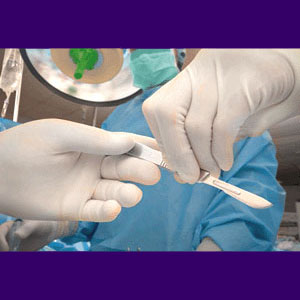
Back surgery barbarism is a very serious topic within the modern medical industry. Spinal surgery is still one of the most common and widely used treatments for chronic back problems, despite the overwhelming evidence of its mostly ineffectual and unnecessary nature.
In some rare cases, back surgery is truly not only needed, but is also successful and well applied. However, in the overwhelming majority of cases, surgery is contraindicated, unsuccessful and often illogical for the diagnostic theory, yet is performed regardless, often at great expense to the suffering patient.
The time for a major overhaul of the surgical sector of orthopedic and neurological medicine is long past due. Now, even most major medical associations are warning doctors not to perform surgery on scapegoat conditions which are mistakenly diagnosed as sources of pain. These medical organizations are also warning patients not to undergo surgery without exhausting more conservative measures of care first.
The reason for all this is very simple. All forms of back surgery are very dangerous and rarely provide even remotely acceptable long-term curative results for most treated conditions. Meanwhile, many specific procedures demonstrate truly horrific results for relieving pain and are actually more likely to do greater damage over time.
Back Surgery Barbarism Stories
A large percentage of letters and emails I receive are from patients who have been through one or more spinal surgeries, but have not found any lasting back pain relief. Statistically, more of these patients have reported that their pain is actually much worse after the operation, while the rest simply feel it is about the same.
Failed back surgery syndrome is a wide-ranging problem in the healthcare system and typically dooms the poor soul to a life full of chronic pain. Patients must deal with care providers who may have no answers or real motivations to help in any way. It shocks me how so many of these patients write expressing the same sentiments: “My doctor will not even return my calls”
Unacceptable.
Why did these physicians get into medicine to begin with? To make money, apparently and exclusively. No soul, no remorse, no human compassion for suffering. Just a heinous attitude of: “Oops, I messed up another life with some unneeded surgery. Ok. Who cares, let’s get to the next patient and make more money”.

Back Surgery Barbarism Facts
Since when are cutting, burning, amputating, drilling and dissecting curative modalities? They sound like torture to me. Yet, these are the exact processes involved in back surgery. Patients are torn open and parts of their anatomy are removed, replaced, fused together or simply burned beyond repair in order to stop pain. How is this logical? In most cases, it isn’t.
Let’s look at a particularly common procedure option: Spinal fusion is called the universal treatment for back pain, since it is used no matter what the working diagnosis may be.
Herniated disc? Fusion.
Spinal arthritis? Fusion.
Scoliosis? Fusion.
Degenerative disc disease? Fusion.
Don’t know exactly what is causing the pain. That’s ok, Fusion! I think you get the point. Well, the universality of fusion would be fantastic, if it actually worked. However, despite surgeons ruling fusion a success as long as the spine actually fuses, pain relief is virtually unheard of, particularly in the long-term. This is because spinal fusion surgery goes against the natural design of a flexible spine and is well known to exponentially increase pressure in surrounding vertebral and intervertebral levels.
The result?
Of course… Accelerated degeneration followed by more fusions!

Back Surgery Barbarism Summary
I am not condemning all forms of spinal surgery. I am simply telling the truth of the matter that most surgeries are optional and typically avoidable. Furthermore, even when the patient wants surgery and looks forward to it, the results are rarely good. Most post-operative patients have continuing pain immediately after, a short time after or a few years after the surgery. To me, this fact makes intelligent care providers have to reconsider the very theory of how, why and when to use surgery.
However, one important thing has been left out of this equation: Back surgery is incredibly profitable, not just in the procedure itself, but in the recovery, rehabilitation and likelihood that the patients will still be in pain management treatment once it is all over, due to the ineffectiveness of the procedure as a whole.
Can you hear that cash register ringing?