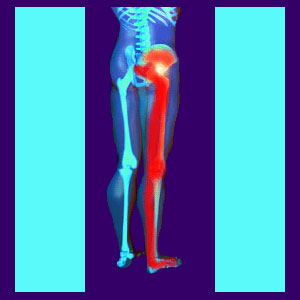
Acute and possibly chronic back surgery pain is an ordeal for almost every patient who must undergo spinal surgery. Obviously, the goal of the surgery is to alleviate the back pain symptoms and return the patient to a full and active lifestyle. Unfortunately, this is seldom the actual result achieved in the majority of cases.
Operations on the spine can be minimally invasive outpatient procedures or in-depth, fully open surgical nightmares. Some are deemed successes, while others are labeled failures. Regardless, pain relief is not guaranteed from even a textbook perfect spinal surgery. Whether the operation is deemed a success or not, there is likely to be significant and lasting pain which will endure for days, weeks or even months in some cases.
The scope of this article is to detail this pain and provide some answers on how to best deal with it.
Minimally Invasive Back Surgery Pain
Any surgical procedure will likely cause at least some pain and discomfort. Luckily, less invasive surgeries are designed to minimize damage to healthy tissues and maximize the chances for symptomatic resolution. Postoperative pain will most likely be mild to moderate and can be controlled using some form of safe symptomatic treatment for a short time after the surgery. Usually the operating physician will prescribe some drugs to manage the symptoms, as well as prevent infection during the recuperation period.
It is important to follow your doctor’s advice to speed healing and help attain a positive surgical result. Specific instructions for postoperative care should be received from your surgeon and discussed in depth prior to the actual surgery.
Detailed information on what to expect from many less invasive surgical options can be found on our minimally invasive back surgery page.

Traditional Open Back Surgery Pain
Full open back surgery is one of the most invasive surgical procedures known to man. Large incisions, extensive layers of muscular dissection and skeletal reshaping are common steps executed during many of these drastic spinal operations. These procedures will be difficult to endure and recovering from fully open back surgery will be a real challenge.
Postoperative pain is often significant and might even be extreme. It is important to find some measure of pain relief without overdoing it. Many surgical patients acquire a fast and terrible addiction to their pain management drugs.
Doctors and patients alike must be vigilant to watch how and when controlled substances are used to combat post surgical symptoms.
When possible, using non-pharmaceutical methods of pain management is advised, with some of the best being acupuncture, TENS and a variety of mindbody techniques, like meditation.
Chronic Pain from a Failed Operation
Of all the possible pain scenarios a patient might experience post-surgery, continuation or worsening of the original symptoms is by far the worst. Surgery is a monumental trial for the patient and the only factor that can make it worth doing is the promise of pain relief.
Many patients have endured their painful symptoms for years and will do almost anything to end their suffering. This is why patients acquiesce to surgery in the first place. The patient is frightened going in to the operating room, but is at least reassured by the prospect of getting their life back and making a full recovery.
Failed back surgery syndrome is a very common occurrence in the back pain industry. Back surgery is the only type of procedure in the world that actually has a syndrome named for its generally poor outcomes.
Many patients endure surgery and experience no relief at all. Others enjoy a mild temporary reduction in symptoms for a short time, then a resurgence to full symptomatic agony later on. Many patients actually find that their pain is far worse after surgery and now they have also become partially disabled due to their surgical procedure. Some never fully recover. Hopefully this will not be your fate.

Preventing Back Surgery Pain
It is crucial to trust your doctor and enter into the surgical endeavor with a positive mindset. The mind will definitely influence the overall surgical result, so being an optimist will have its advantages here.
If you experience some pain after the operation, consult with your doctor to determine if there is a need for symptomatic relief. Make sure to be especially careful of using prescription drugs for any extended period of time.
If you are suffering from failed back surgery syndrome, my heart goes out to you. I know you had all your hopes and dreams riding on the success of the operation, just to be let down hard. However, do not despair. There is always hope. The #1 reason for poor surgical results is misdiagnosis of the actual problem. Many postoperative patients have tried to use alternative medicine to find a cure when traditional back surgery has failed them. You might have a more difficult time beating the pain after enduring spinal surgery, but you must try.
Luckily, many patients have successfully used knowledge therapy to overcome long-term pain conditions, despite poor surgical results. Dr. John Sarno details some of these scenarios in his various books. It just goes to prove that even in terrible circumstances, there is always hope.