
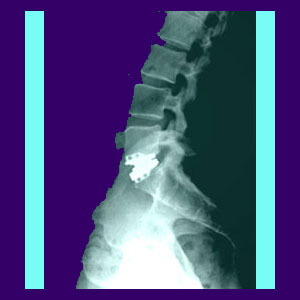
Back surgery results vary greatly from patient to patient, but generally disappoint when evaluated collectively. If the diagnosis of the causative condition is accurate, surgery has a fair chance of correcting the problem and alleviating the symptoms. That is given that the procedure goes perfectly and the followup care is complication-free.
However, even with a successful operation, the patient is often left physically altered. This means that although the surgery may be considered a success, lingering or permanent effects may endure, including chronic pain, diminished physical functionality or even complete disability.
Before even considering spinal surgery, it is crucial to try every conservative treatment option and do everything possible to ensure that your diagnosis is indeed correct. Once you have done all this, then you must research your many surgical options and interview several doctors to actually perform the procedure. If you have accomplished all this, then it is time to decide whether to go through with the operation or not. Hopefully, this article will provide some facts which may help you to make this difficult decision.
Successful Back Surgery Results
Back surgery has become a highly precise and focused science. There are so many high tech procedures offered for correcting a variety of spinal abnormalities. In the case of a serious spinal injury or degenerative condition, surgery is sometimes a good option for curing 100% physically-induced pain and related neurological symptoms.
Minimally invasive surgeries should be used whenever possible, in order to preserve healthy tissue and minimize recovery time. Good surgical results are due to the quality of the surgeon, as well as the accuracy of the diagnosis.
A talented spinal surgeon is indeed a treasure in our medical system and a prudent surgeon with a good eye for recognizing when surgery is appropriate is a gift to humanity. I have much respect for surgeons who have the ethics to prescribe a treatment other than surgery, when an operation is not the best choice for back pain relief. However, I have nothing for disdain for the countless doctors who intimidate or frighten patients into premature or completely unnecessary procedures just to make money.

Think it doesn’t happen? Think again.
The vast majority of spinal operations are never needed, nor are they successful over extended timelines. These operations are performed to support an established medical economy which thrives on the pain of hundreds of millions of patients.
Unsuccessful Back Surgery Results
Poor surgical results can be caused by a surgeon’s mistake or poor technique during a procedure. However, with the abundant training most surgeons receive, this is an uncommon occurrence in today’s medical system.
The usual cause of poor surgical results is a misdiagnosis of the actual cause of the painful condition. If the cause if not correctly identified, then the treating surgery has no hope of correcting it.
Many dorsalgia syndromes are blamed on innocent spinal abnormalities called scapegoat conditions. These back pain scapegoats are conditions that are often blamed for back pain, but rarely cause it. Spinal surgery might correct the scapegoat condition structurally, but the undiagnosed real source of the pain remains untreated. This is the reason for the epidemic of failed back surgery syndrome. This is also the reason for recent diagnostic guidelines to be issued from many major medical associations. These changes to accepted protocol advise doctors not to assume any structural irregularity found on an imaging study is the source of pain unless verified conclusively as such.
For additional information about surgical error and the common explanations for poor surgical statistics, please read our pages entitled iatrogenesis and iatrogenic back pain.
Objective View of Back Surgery Outcomes
Do not take chance with your future. If you know for sure that your pain is the result of a specific injury or spinal disorder, and you have received several recommendations for surgery, you can proceed with confidence. Have trust in your doctor and look forward to recovering from your pain 100% after the operation.

If you have tried a variety of treatments for your unresolved diagnosed back pain, I advise you to consider your options carefully. Long-term pain conditions usually do not respond well to a final treatment attempt via surgical correction. If the many treatments you have tried in the past failed, there is a good chance that the condition will fare no better when you are on the operating table.
Do you really want to endure an operation for nothing?
Do not rush into anything foolhardy. Take your time and get more involved in your own care at a deeper level of understanding. Research your diagnosis, surgical options and objective postoperative back surgery prognosis. Talk to several doctors, including at least one non-surgeon. You can always go forward with surgery at any time, but once it is done, you can never go back.