
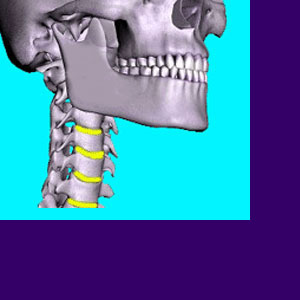
Bruxism is also known more commonly as teeth grinding. This condition is very common and affects countless people to one extent or another. Teeth grinding may occur while the patient is awake or asleep, although most severe cases are reported as a nighttime event.
Teeth grinding can create a range of dental problems, as well as significant pain in the head, jaw and face. While modern medical and dental practitioners love to treat this profitable condition, they almost never actually go about it the right way. Most simply address the physical symptoms, but never seek to solve the underlying psychoemotional reasons of why people grind to begin with. This is no surprise, since this involves delving into the realm of the mind instead of treading water in the far less complicated domain of the body.
This guide provides help for patients by exposing the underlying emotions that are usually responsible for chronic tooth grinding problems, often diagnosed as bruxism.
What is Bruxism?
Teeth grinding is characterized by the repeated rubbing of the upper and lower teeth against one another, typically in a side to side motion. The harder the teeth are ground together, the worse the symptomology of the condition will typically be. Additionally, the longer the condition continues the worse the structural consequences will be on the dental tissues.
Most patients are affected while they are unconscious and their teeth grinding is enacted by some subconscious mechanism. The worst cases might also occur while the patient is fully awake and can be generally brought on during times of acute anxiety, emotional stress or as a side effect of certain illicit drugs.
Affected patients are also known by the name bruxers.

Causes of Bruxism
It is obvious that most cases of teeth grinding are caused by a psychoemotional tension syndrome which generally makes itself known when the conscious mind is at rest. This can occur while sleep is taking place or when the consciousness is fully occupied by the present circumstances of life or some intensive thought. Many bruxers report grinding their teeth when they are focused on something and realizing that this is occurring once their focus is disturbed or distracted.
Factors which have been associated with teeth grinding are many and varied. Some of the most common tooth grinding contributors include:
Excessive caffeine consumption, especially at night is a known problem for many grinders. This is no surprise, since caffeine increases activity in parts of the mind that might be responsible for causing the condition.
Additional sleep disorders, such as sleep apnea, can escalate tooth grinding problems to ever-worse degrees.
Regular smoking of tobacco or marijuana seems to have a negative effect on grinding.
Excessive alcohol consumption, especially at night, has similar effects to caffeine intake, often worsening symptoms while the substance remains active in the body.
Chronic emotional stresses are the most common direct cause of teeth grinding, but acute episodes of stress can also be responsible in many patients.
Grinding can be the side effect of many illicit and prescription drugs.
Grinding can also be the side effect of some neurological disorders, such as Parkinson’s Disease.
Consequences of Grinding Teeth
Teeth grinding causes little effect in most people, besides some minor dental degeneration and maybe an occasional headache or jaw pain. However, some poor souls really suffer greatly from extreme grinding. Some of the more severe effects of significant and recurrent grinding include:
Considerable dental damage, including the loss of teeth and escalation of gum disease.
Inner ear concerns, such as ringing in the ear are commonplace in chronic grinders.
Migraine or tension headaches are virtually universal and might become severe health problems unto themselves.
Temporomandibular joint disorder might develop in some chronic grinders and may necessitate drastic treatment.
Myofascial pain is another potential consequence of tooth grinding, as is trigeminal neuralgia.

Bruxism Solutions
Teeth grinding is often treated as a physical defect or disorder, which might help explain the poor curative results of many therapies. Knowledge therapy is perhaps the best bet, since it goes to work addressing the underlying emotions responsible for the grinding, instead of simply acting as yet another symptomatic treatment.
Most present treatments include dietary revision, mouth guards and night time mouth splints, botox injections, pharmaceutical therapies and psychological counseling. It is obvious that the medical answer to this common disorder is purely symptomatic and will rarely correct the condition. The best most medical treatment can hope to achieve is to minimize the effects of the grinding and preserve the teeth using orthotics.
Knowledge therapy is unique in that most patients can give up the drugs and mouth guards after learning why they grind to begin with. This treatment gets to the heart of the subconscious, which is responsible for creating the grinding imperative.
Once the emotional aspects of the condition have been resolved, the symptomatic expression is no longer necessary and will cease. If you have not enjoyed lasting relief from your teeth grinding, consider knowledge therapy as the next logical therapy modality to investigate.
Back Pain > Psychologically Induced Pain Syndromes > Bruxism