
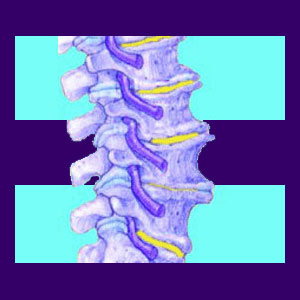
There are several possible causes of degenerative disc disease, but most of these contributing factors are completely normal for a human adult to experience. DDD is rarely a painful structural condition, although it is often unfairly blamed for enacting symptoms in many patients. True cases of painful degenerative disc disease are very rare and are typically represented by the most extreme varieties of spinal degeneration.
This very article title implies that there is some special cause for disc desiccation to exist. Well, there is; It is called getting older. You might also call it wear and tear on the spine, due to all the normal things which make us human. This is where the article should end, but let’s elaborate to really tell the whole story of degenerative disc disease and why it is such a gravely misunderstood diagnostic conclusion.
Anatomical Causes of Degenerative Disc Disease
The normal and expected aging processes which act on the spine are the very same causes of DDD. As the intervertebral discs age and experience the constant wear and tear (especially in the lumbar and cervical regions) inherent to the human condition, it is typical for them to lose their ability to retain moisture. This leads to dehydration of the disc structure and the subsequent loss of height, diameter and mass.
There is nothing problematic about normal or even most cases of advanced disc degeneration. In fact, every adult demonstrates this condition to one extent or another.
It must be noted that DDD is a direct cause of and contributor to herniated discs, as well as the various spinal osteoarthritic processes. As discs thin out, the incidence of bone interaction increases, enacting vertebral spurring and joint deterioration. It must also be noted that these processes are also completely normal and not usually the cause of any serious or chronic symptoms.

Psychogenic Causes of DDD Pain
Ischemia is the root cause of many varieties of chronic back pain, although this process is rarely correctly diagnosed by care providers. Typically, doctors look for a structural reason for pain, even though statistics clearly show that most spinal abnormalities are simply scapegoats on which pain is mistakenly blamed.
This has recently received lots of attention when some major medical organizations changed their recommendations on the diagnosis of disc pathologies and many other degenerative structural issues in the spine. Research shows no correlation to symptoms and therefore doctors have been put on notice to stop implicating spinal irregularities as the sources of pain without definitive evidence. Being that this evidence almost never actually materializes, these medical associations have simply restated what mindbody practitioners have been saying for decades already.
Back and neck symptoms which endure despite treatment are rarely structural issues. This is certainly not an absolute, but it does make a good general rule.
To put it simply, there is little correlation between DDD and back pain, just the same as there is little correlation between bulging discs or arthritis in the spine and back pain. DDD is perhaps the most innocent of all scapegoat conditions and is very difficult to imagine as the primary source of any considerable dorsopathy complaint.
Actual Causes of Degenerative Disc Disease Pain
It is crucial for all patients to learn the real facts about DDD to repudiate the nocebo effect of the diagnostic process. Some care providers will inadvertently frighten a patient during the diagnosis, while others are surely more purposeful in their scare tactics.

DDD is a mainstay of the back pain industry, due to its universality and predictability. I am not a doctor, but I can just as easily diagnose DDD in people, without any exam. Chances are that if you are human, it is there.
I have long been complaining about the terminology of this condition, since that is a very big part of the problem. DDD is not abnormal, not problematic and certainly not a disease. It is true that some people (albeit very few) suffer from abnormal and concerning disc degeneration. However, these cases do not represent the overwhelming majority of people who are diagnosed with this scary sounding disorder, even though they have perfectly normal and healthy spines. Hopefully, this discussion helps to clarify the causes of degenerative disc disease in a way that makes sense.
Back Pain > Degenerative Disc Disease > Causes of Degenerative Disc Disease