
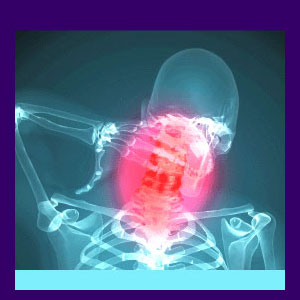
Cervical injury describes damage to the highest and most critical levels of the spinal column. Most soft tissue neck injuries are minor and usually result in mild to moderate neck muscle pain. Other spinal injuries can be severe and might threaten the mobility or actual life of an affected patient.
It is crucial to achieve an accurate diagnosis when it comes to neck injuries, since the anatomical location is ultra-sensitive and vital to human functionality. Any injury to the spine can potentially affect all the structures and processes which occur below the level of trauma. Being that the neck is so high in the anatomy, injury here can be dire, possibly enacting wide-ranging consequences which may alter life forever.
This treatise delves into the occurrence of traumas in the cervical spine and their effects on the remainder of the anatomy.
Severe Cervical Injury
Significant trauma can result in a serious neck pain condition. This injury might take the form of whiplash, vertebral fracture or spinal cord damage. Whiplash neck pain is not usually serious, but can sometimes do enough damage to necessitate medical or even surgical treatment.
Fractured vertebrae can occur from any considerable force applied to the cervical region. Luckily, a broken neck does not always indicate inherent spinal cord damage. Many people can break one or more cervical bones without doing any neurological damage whatsoever.
Spinal cord injury at the cervical level is disastrous for the patient, since it will affect all the bodily processes which occur below the vertebral level of injury. Complete spinal cord injuries in the neck can result in paralysis from the neck down or even death.
Perceived Cervical Spine Injury
The neck is an area very prone to the effects of psychosomatic pain and many cases of unresolved symptoms are either caused or perpetuated by psychoemotional factors.

Mindbody medicine has proven the link between chronic back pain and repressed troublesome emotional issues. It is important to remember this if you suffer from severe pain due to a seemingly insignificant accident or long-term pain which has defied all attempts at treatment.
Of course, trauma can cause real physically-enacted pain. In most instances, this pain will heal on its own or with proper medical treatment. Pain which does not heal is usually due to 2 possible scenarios:
The actual injury does heal, but the mind chooses to perpetuate the pain for some psychological benefit. This type of pain can last for years or even an entire lifetime and is generally blamed on the original accident. Patients with this type of pain often end up enduring unnecessary back surgery, which generally demonstrates abysmal curative results.
The traumatic injury is not serious, but still acts as a convincing back pain trigger to begin the start of a psychosomatic condition. The injury is completely perceived and not actual, although the physical symptoms are 100% real. This type of psychological back pain has grown to epidemic proportions since it is rarely correctly identified for what it really is.
Cervical Injury Considerations
Consider all aspects of an injury when trying to discover the best plan for treatment. Remember that an accurate diagnosis is key, but can not be taken for granted. Many doctors do not have the training or belief in mindbody medicine to help patients recover from the vast number of psychogenic pain syndromes which have made a mockery of the medical system.
In cases of actual physical damage, make sure to learn about every possible neck treatment option, so that you and your doctor can create a plan which will lead to probable permanent symptomatic relief.
Do not be afraid to ask your doctor too many questions and make sure you clearly understand the answers. When it comes to your health, any doctor who will not take the time to thoroughly answer your inquiries is not worth patronizing. Medicine is a competitive business, so exercise your right to choose.