
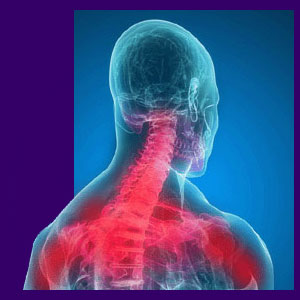
Cervical pain describes symptoms in the upper area of the vertebral column, also commonly called the neck. The neck is responsible for providing support and mobility for the head. The spinal structures in the cervical region are thinner and lighter than in the mid torso or lower back. The cervical spinal structures are also prone to significant use and abuse, since the neck is an area of tremendous flexibility and constant movement. In fact, the cervical spine is the second most affected area by the degenerative processes, only bested by the lower lumbar region. Lucky that these processes are usually quite harmless, although some can cause or contribute to neck pain in less common instances.
This investigation essay focuses on why cervical spinal pain might occur and how it should be treated.
Causes of Cervical Pain
Acute neck pain is often the result of an injury to the cervical region. This injury can be obvious, such as in the case of whiplash or other trauma. Neck pain might also be the result of a less obvious, but extremely common cause, such as muscular tension. Neck muscle traumas are very common and can be the due to some damaging activity or even emotional stress, leading to an uncomfortable tight and tense feeling.
Degenerative changes in the cervical spine are occasionally responsible for neck pain, but are usually asymptomatic. Most spinal abnormalities in the neck are simply vilified examples of back pain scapegoat conditions used to explain otherwise idiopathic neck pain conditions. These typically include disc desiccation and spinal osteoarthritis, as well as possible herniated discs, particularly in the mid to low cervical intervertebral levels.

Types of Cervical Spine Pain
Symptoms in the neck can take on many different pain patterns. Pain can be localized to a particular upper area of the spine. Pain might also radiate into the head, upper back or shoulder region.
Headaches are a frequent side effect of many cervical spine pain syndromes. Sympathetic thoracic back pain is also a typical experience for patients with radiating cervical symptoms.
Muscular stiffness and pain, while moving the neck and head, are indicative of almost any neck ache condition. It is important to consult a doctor if you are experiencing any unknown neck or head pain, since these symptoms can be an indicator of a more serious health concern in rare circumstances.
Guidance for Cervical Pain
I suffered primarily from chronic lumbar back pain during my own torturous dorsopathy ordeal. However, I did experience many frequent bouts of neck and upper back pain, as well. In my case, the neck pain was a classic example of a back pain substitute symptom and would usually come on during times when my lumbar pain was in remission.
My neck pain was blamed on various ridiculous theories, since there was no clinical reason why I would experience this recurrent pain time and time again. Only after much study and understanding of the reasons why my pain would not end, could I finally defeat my chronic cervical and lumbar pain. It turned out that my lasting misery was at least a partial direct result of a psychoemotional process. Who would have ever imagined this in a million years? Not me.

The experience has taught me that back pain is truly a completely misunderstood concept and is often perpetuated by the myths which medical science propagates as fact. Recently, new studies have increasingly linked back pain to psychological causations, rather than physical spinal abnormalities.
Unfortunately, much of the dorsalgia care industry does not want to give up its lucrative treatment regimens, despite being confronted by overwhelming proof of their mistaken ideas about why back pain is so incredibly difficult to cure.
When it comes to cervical symptoms, or any type of back pain, you owe it to yourself to learn the complete facts if you are to have any hope of finding real relief. Knowledge is power and in this case, the power may translate into the ability to cure the pain, hopefully, once and for all. It worked for me and it can work for you too!