A cervical spinal cord injury is the most serious of all central nervous system traumas involving cord damage. Many cervical cord injuries will produce a quadriplegia condition, which can greatly reduce the physical functionality of any affected patient. As is the case with every spinal cord injury, the higher the level of cord damage, the worse the symptomatic profile will typically be.
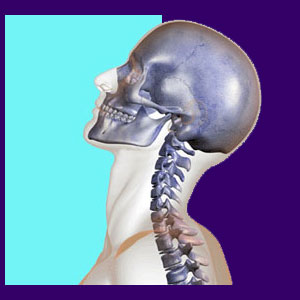
The cervical spinal structures are light and thin compared to the other vertebral levels. The cord is at its most vulnerable here and since the neck must move through such an extensive range of motion, and deal with the added stress of the heavy head, injury to the cervical region is always possible from any significant shock or trauma.
This dialog explores spinal cord trauma and disease in the neck, including the causes, symptoms and typical treatments used to provide relief.
Cervical Spinal Cord Injury Definitions
Complete spinal cord injury will rob the patient of all feeling and motor function below the affected vertebral level. This is the case when the spinal cord is severed or completely destroyed by compression or other traumatic or developmental process. People suffering from complete cervical injuries are called total tetraplegics.
Partial paralysis conditions exist when the cervical cord is damaged, but some neurological function still remains intact. Patients with a partial cord injury might still have sensation or some motor function and generally have a better chance of regaining some lost neurological signal through extensive rehabilitation. People suffering from incomplete cervical cord injury are sometimes called partial tetraplegics.
Cervical cord injuries will generally affect all four limbs, as well as the torso and internal bodily processes. However, the extent of the injurious consequences range greatly, from mild functional reduction to complete dysfunction.

Upper Spinal Cord Injury Consequences
Most patients with a cervical cord injury lose the ability to walk. Patients who injure the cord above C7 will typically lose function in their arms, as well. The uppermost cervical spinal cord traumas can create the very worst symptomatic expressions. Patients who damage the spinal cord at the highest cervical levels might lose autonomic functionality, including the ability to breathe on their own. These patients will require intensive support systems just to stay alive. In a few cases, upper cervical cord injury can prove fatal rather quickly.
General symptoms of all cervical cord injuries include lost bowel and bladder function, sexual dysfunction, constipation, poor circulation and an increased risk for pneumonia and septicemia. Some patients suffer serious internal organ effects which can reduce their life expectancies drastically.
Cervical Spinal Cord Injury Guidance
Cervical cord damage is a tremendous burden to bear. The vast and dire effects of the condition make normal everyday life a tiresome task for millions of patients. There have been great improvements in quadriplegic care, but there still is no cure for permanent cord damage. Stem cell research remains in development while religious and governmental groups argue over its ethical implications.
Patients stricken with cervical cord damage must do everything in their power to maintain good general health. Reduced immune function and poor circulation make these individuals targets for a host of problematic conditions which can create serious disease or even death. It is crucial to remain vigilant for any health complication which might occur, since early treatment is vital to preserve life and function.
For additional information about remaining healthy despite having a serious spinal cord injury, contact an expert spinal neurologist.
Back Pain > Spinal Cord Injury > Cervical Spinal Cord Injury