Cervical spinal stenosis is a potentially serious structural issue in the neck which is defined as a reduction in the diameter of the central spinal canal. Spinal stenosis in the neck is a common condition experienced by people as they get older. Stenosis is not an inherently painful diagnosis, although it is often blamed for sourcing many cases of back and neck pain. In fact, unless a neurological structure is compressed, the patient should not experience any symptoms in relation to mild or moderate canal patency reductions.
If you are diagnosed with spinal stenosis in the neck, make sure to learn the extent of the condition, since some stenosis-related changes are simply a universal part of the aging process and others are true health crises. This essay helps to clarify cervical versions of spinal stenosis and assist patients in finding effective treatment, when therapy is truly needed.
Cervical Spinal Stenosis Changes
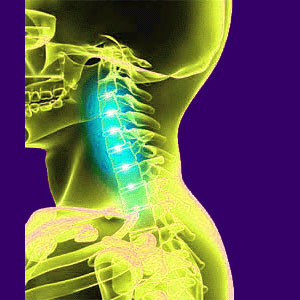
Stenosis in the neck is characterized by a possibly symptom-inducing narrowing of the spinal canal. This passageway houses the spinal cord, as well as the spinal nerve roots in the neck.
The cervical vertebrae are thinner and lighter than in the rest of the back. This makes them particularly susceptible to degenerative changes and injury. These processes can contribute to the development of cervical stenosis in some patients.
Remember that true stenosis pain is only possible if the canal becomes narrow enough to actually forcibly compress the spinal cord. It should be noted that many symptoms are often blamed unfairly on completely normal and insignificant cases of degenerative stenosis.

Cervical Stenosis Symptoms
As previously mentioned, mild cervical stenosis often acts as a scapegoat for back pain, rather than a true source of discomfort. The majority of patients with minor stenosis do not develop any symptoms or pain from their conditions.
A conservatively narrowed central spinal canal is a normal part of the aging process for most people and is usually nothing to fear. Instances in which the stenotic change is severe and does compress the central nerve structures can be fearsome in their symptomatic expressions. Patients may suffer localized pain, tingling, weakness or numbness in the actual area of the neck affected. Patients may also suffer a wide range of these same expressions throughout their anatomies. Some patients will have upper body symptoms, while other may endure lower body sufferings. Symptoms may move around and change, since different areas of the cord may be compressed over time. Some of the worst cases will prevent a patient from standing or walking easily.
Incontinence of bowel or bladder is a sign of significant cord compression and sexual dysfunction is also a terrible consequence to bear.
Cervical Spinal Stenosis Patients
A cervical stenosis condition is definitely hard for patients to ignore. The diagnosis of a narrowed spinal canal and possible pressure on the spinal cord or spinal nerves creates a terror-filled vision of potential pain and disability. The nocebo effect of this diagnosis is severe and often leads to the start or escalation of mindbody pain and other symptoms. Remember that stenosis is not unusual and is often a normal age-related development.

For patients with severe structurally-induced symptoms, there are some excellent modern stenosis treatments that should help you to find relief. Some of these therapies might involve major spinal surgery, but at least the pain should finally end if the procedure can relieve the cord compression.
Just make sure that your pain is indeed linked definitely to the stenotic alteration, since there is nothing worse than enduring drastic treatments or surgery just to discover that the symptoms have remained or gotten worse. It may sound like a rare nightmarish scenario, but I can assure you that it is far more common than you might think.