
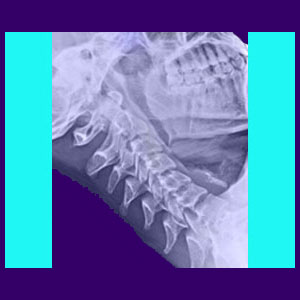
The cervical spine is the uppermost region of the human vertebral column. The cervical area extends out from the base of the skull and consists of 7 vertebrae named C1 through C7. The cervical region is also commonly called the neck.
The main jobs of the cervical area of the spine are to support the weight of the head and to provide flexible movement for the neck. The normal cervical region features a conservative lordotic curve. The cervical structures are the lightest and least massive of any vertebral bones or intervertebral discs in the spinal anatomy. This light design is best for maximizing versatility and mobility, but falls short when it comes to durability and resilience. Remember that the head is a large and heavy structure which constantly places huge stress on the cervical spine.
This dialog examines the cervical region of the vertebral column and its relationship to neck pain problems.
Cervical Structure
The uppermost vertebra in the spine (C1) is called the atlas. The second vertebra (C2) is named the axis. These 2 bones are specifically designed to allow rotation and movement of the head. They each have a unique shape when compared to other vertebrae. They also lack an intervertebral disc spacer in between them, making them unique in the spinal anatomy.
Nerves that travel out from the cervical region control the function and sensory abilities of the head, face, neck, shoulders, arms and hands.
Cervical spinal cord injury can cause complete paralysis, quadriplegic condition or even death.
The spinal structures in the cervical region are smaller and thinner than in other areas of the spine. The intervertebral discs and vertebrae are more susceptible to traumatic injury due to their size and location.

The occurrence of whiplash can enact terrible forces against the muscles and spinal components of the cervical region. However, the neck is still a tough structure designed to last a lifetime under normal use.
Cervical Spine and Neck Pain
The cervical region is statistically the second most problematic location in the human vertebral column, beaten only by the lumbar area. This is true for both the incidence of painful symptoms, as well as the potential for developing a variety of potentially pathological spinal issues.
While research shows little, if any, correlation between minor abnormalities in the cervical region and the occurrence of neck pain, some structural problems can certainly generate significant discomfort and neurological effects when they are severe.
Disc degeneration and herniation is commonplace in the mid to low cervical levels.
Spondylolisthesis is rare, but can also occur due to injury or advanced degeneration.
Hypolordosis is a common MRI finding often related to a muscular pain and spasm condition in the neck anatomy.
However, one of the most potentially serious and common conditions is central spinal stenosis in the neck. The narrowing of the spinal canal in the cervical region can cause widespread and dire consequences on the rest of the anatomy, since symptoms can be expressed anywhere below the affected levels.