
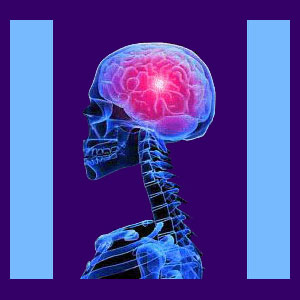
Chiari malformation, also called Arnold-Chiari, describes a structural abnormality in which parts of the lower rear brain descend into the usually patent space called the foramen magnum. This opening in the cranium allows the spinal cord to enter the skull and connect to the brain via the medulla oblongata. The foramen magnum also facilitates the circulation of cerebral spinal fluid around the brain and spinal structures. When the descended brain tissue blocks this passageway, there is the potential for serious health issues to occur, although not all cases are symptomatic.
This narrative details Arnold-Chiari conditions and how they are often related to a variety of pathological spinal problems, including syringomyelia and hydromyelia, among others.
Severity of Chiari Malformation
Symptomatic Arnold-Chiari is classified using a scale of four possible grades.
Type I is the most common and presents the best prognosis. Expressions may include: headaches, spinal syrinx development and damage to the cerebellar tonsils affecting brain function.
Type II is characterized by more extensive herniation of tissue, including the medulla oblongata and development of more serious issues, including: spina bifida cystica, paralysis and brain damage.
Type III is dire and usually found accompanied by serious neurological and often life threatening concerns.
Type IV is characterized by a complete lack of development in certain parts of the rear brain, usually resulting in death.

What is Arnold-Chiari?
The parts of the brain involved are the cerebellar tonsils and the medulla. These structures are usually contained within the skull, but in the case of Arnold-Chiari, they herniate into the space between the skull and the spine. This acts like a plug or cork, blocking the normal flow of cerebral spinal fluid between the skull and the spine. While some cases are harmless and do not produce noticeable symptoms, other cases can be extremely problematic.
Many Chiari patients also have or develop the following spinal conditions:
Hydromyelia
Syringomyelia
Tethered spinal cord
Spina bifida
Scoliosis
Abnormal spinal curvature
Chiari Malformation Help
The most common form of Arnold-Chiari is certainly type I. This is the only type which can be developed after birth and the variety most often actively treated. The most popular approach to correcting this brain malformation is through decompression surgery. During this procedure, parts of the skull are removed and the foramen magnum may be enlarged, thereby taking pressure off the brain structures and facilitating a better flow of cerebral spinal fluid to prevent damage to the brain and spinal structures.
It is always advised to seek any treatment for Arnold Chiari with a specialist in the field, since this is a very sensitive sector of brain/spine care and only a handful of the best neurosurgeons focus on the condition.