
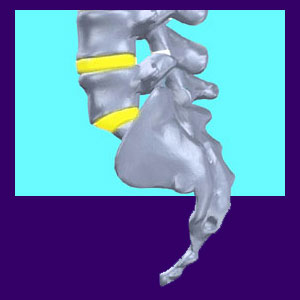
Coccydynia is the medical name for coccyx pain, otherwise known as pain in the tailbone. The coccyx is the evolutionary remains of a vestigial tail and is a much despised structure by anyone who has terrible ongoing misery in the region. The tailbone consists of several fused or segmented spinal bones called the coccygeal vertebrae.
Coccyx pain can be a chronic syndrome that may resist all attempts at resolution. It is important to receive an accurate diagnosis for all tailbone pain conditions, since this is one of the most commonly misdiagnosed back pain conditions in existence. Remember, regardless of the location of your suffering, it is virtually impossible to treat it successfully without targeting the true underlying reason for the pain to exist in the first place.
Coccydynia Aggravators
Tailbone pain is typically aggravated by a variety of activities. The following physical pastimes are notorious for worsening existing coccyx pain conditions: horseback riding, motorcycle riding, driving, bicycling, rowing, full contact sports, sitting and sleeping on one’s back.
Some patients experience a variety of possible effects ranging from temporary relief to increased pain when moving their bowels. For other patients, constipation is a problem which causes them to have severe chronic back pain.
Female patients are especially prone to suffer from coccyx pain which might be aggravated by sexual intercourse, although men can also experience these sexually-related back pain symptoms, as well.
Coccyx Pain Cautions
It is crucial to receive medical attention for any unexplained coccyx pain. Some pain conditions may be the result of cancer or other serious health concern on or near the spine.

Coccyx pain is often diagnosed incorrectly and can result in unneeded treatments or even surgery for the patient. Tailbone pain can be stubborn, but usually eventually responds to appropriate treatment.
If your coccyx pain does not resolve after a few months, there is a chance that your symptomatic expression is actually the result of a psychogenic causation. In this case, learn more about knowledge therapy before undertaking any drastic surgical correction.
Coccydynia Truths
The coccyx is basically a useless evolutionary remnant. This makes it an ideal structure for doctors to treat and operate on, since it has no purpose. The coccyx can be removed without altering any form or function in a patient. However, remember that surgery is a serious matter and comes with a host of risks and side effects. Just because the tailbone is not needed by your body does not make its removal an insignificant operation.
Even after coccyx removal procedures, many patients still experience what is known as phantom pain in the area where the coccyx used to be. In these cases, it is plainly obvious that the coccyx was not the cause of pain all along. The diagnosis was incorrect and the patient suffered through a punishing surgery for nothing. This all could have avoided if the patient had some basic knowledge of the true nature of most coccyx pain conditions.
The reality of tailbone pain is that coccyx injuries generally heal and the patient should recover. Patients with chronic pain are mostly sometimes from a psychogenic back pain syndrome most likely based upon a past injury acting as the trigger mechanism. Once again, in these cases, knowledge therapy is usually the best and most effective option for finding permanent relief. At least there are no risks or costs involved here, which is a real change compared to the invasive treatment options offered by surgeons.
You can get immediate relief from our proven pain program 24 hours a day from anywhere in the world. Need help right now? You found it!