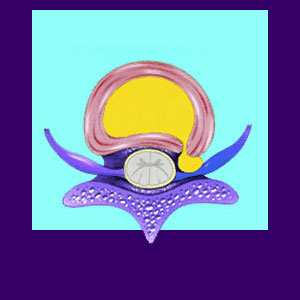
Discectomy is the most common surgical procedure used to correct bulging, herniated and ruptured discs. It is also the most widely used procedure in the entire back surgery sector. More disc removal operations are performed every year than any other type of operation on the spine.
In this procedure, all or part of the intervertebral disc is removed, hopefully eliminating the painful complaint. Disc removal procedures have been performed for over 70 years in various forms. The modern version is much improved, compared to the overly invasive procedures done years ago. However, even with the latest innovations, discectomy is still a real gamble.
In many cases, the disc implicated is not even the source of pain. In other patients, the diagnosis is sound, but the operation does not go well. There are a host of reasons why surgical complications can occur. Finally, in many scenarios, the diagnosis is valid, the procedure goes perfectly, but within a few weeks or months, the disc re-herniates, placing the patient right back where they started; requiring treatment all over again.
Complications from Discectomy
Disc removal procedures are usually performed while the patient is under general anesthesia. This fact alone raises health concerns for those in questionable health, especially for the elderly or the obese. Local anesthetic is always preferable if it is available for your particular procedure.
There is a risk of internal bleeding or leakage of spinal fluid after the operation. There is also the possibility of nerve damage or infection.
After a disc removal operation, the patient has a greater chance of re-injuring the same disc. More than 20% of patients do not get receive any marked relief from surgery and more than half still have some symptoms immediately post-surgery. Long-term outcomes are worse still, with few patients enjoying continued benefits longer than 7 years.
Disc removal procedures are usually performed while the patient is under general anesthesia. This fact alone raises health concerns for those in questionable health, especially for the elderly or the obese. Local anesthetic is always preferable if it is available for your particular procedure.

There is a risk of internal bleeding or leakage of spinal fluid after the operation. There is also the possibility of nerve damage or infection.
After a disc removal operation, the patient has a greater chance of re-injuring the same disc. More than 20% of patients do not get receive any marked relief from surgery and more than half still have some symptoms immediately post-surgery. Long-term outcomes are worse still, with few patients enjoying continued benefits longer than 7 years.
Recovery from Disc Removal Surgery
Recovering from back surgery can be a difficult path and disc removal procedures are no exception to the rule. Standing and walking are encouraged as soon as possible, but activity level must be kept controlled for a few weeks. Hard physical labor is discouraged for 2 to 3 months.
Physical therapy is usually prescribed to help the patient to regain mobility and range of motion, as part of a postoperative rehabilitation program.
It is absolutely vital to fully understand what will be needed after the operation in terms of follow-up care and lifestyle modifications. Not adhering to your surgeon’s recommendations will complicate the healing process, possibly causing troublesome health effects and may even result in a re-herniation immediately after the operation.
Results of Discectomy
We would never recommend spinal surgery if it can be avoided. Patients should completely exhaust all conservative and moderate back pain treatment options before even considering invasive disc treatment.

If you feel that your doctor is pushing you to undergo surgery prematurely, make sure to get a second opinion before moving forward. Some physicians will do anything to get you onto their operating table: threats, coercion and downright lies. We have seen it all and heard it all from the stories you send us every week.
If you do require disc removal surgery, talk to your doctor about your numerous procedural options and any strategies which might help prevent a recurrence of the herniation in the future.
For patients who have already had several discectomy procedures and are now being courted to receive spinal fusion, be very careful. This is a truly drastic treatment option which rarely solves pain issues. Many patients would be better off researching their options for disc replacement surgery instead or simply giving up the surgical revolving door in favor of conservative care.