Facet joint pain is a controversial diagnosis related to basically normal arthritic changes in the zygapophysial joints of the vertebral column. Arthritis in the spine is a normal part of the aging process and although the vast majority of people show the physical signs of arthritic change, only a small minority endures painful symptoms. Despite this fact, facet joint syndrome remains a diagnosis on the rise in the field of orthopedic medicine.
In most of the patients who have been diagnosed with facet syndrome, most have symptoms which are far too severe and widespread to possibly be accounted for by typical facet degeneration. In many cases, larger neurological structures are obviously implicated, yet the diagnosis of facet deterioration has been made nonetheless.
This dialog provides an objective view of pain which is deemed to originate in the spinal facet joints.
Facet Joint Pain Mechanics
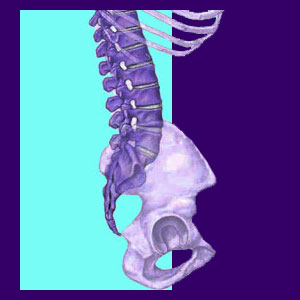
Facet syndrome is actually part of the spinal arthritic process and does demonstrate distinct physical evidence of its existence. Spinal vertebrae endure degenerative changes just like most tissues in the body. Degenerative vertebral changes include the build up of bone spurs in the areas known as the facet joints. These bone spurs are the scapegoats on which the majority of facet syndrome pain is blamed.
Bone spurs can cause pinched nerves or create potentially painful bone on bone contact. However, in most patients they do not cause any harm or pain. They are simply there.
The other processes involved in theoretically painful facet deterioration include the loss of cartilage and synovial fluid from the joints themselves. This is the most basic result of osteoarthritis and is not known to be overly symptomatic in typical levels of arthritic activity.

Psychologically-Motivated Facet Pain
Psychological back pain is almost never diagnosed by doctors. It is one of the most common forms of back and neck pain, but was completely ignored by modern medical science until just recently. Now, times have changed considerably as more and more care providers have embraced mindbody medicine due to its logical, great treatment results and the lack of risk factors associated with therapy.
Patients who have psychosomatic symptoms will rarely recover since their suffering is usually blamed on a coincidental scapegoat spinal abnormality. Facet syndrome is one of the common conditions on which back and neck pain is often unfairly blamed.
Most adults over the age of 40 will show enough evidence of vertebral degeneration to support a diagnosis of facet syndrome. However, why do the rest of us not have any pain, even though our spines show comparable degenerative changes? This is a question that remains to be answered by the tens of thousands of doctors who make this diagnosis every day.
Suggestions for Finding Facet Joint Pain Relief
How do you know if you are among the few who are suffering from real physically-based facet syndrome pain or the majority who have been misdiagnosed and are really experiencing idiopathic pain?

Well, the answer is rather simple. Physical facet joint symptoms will respond well to treatment and will not reappear later as some other form of back pain substitute. If you are among the millions who have unresolved facet joint back pain, then there is a good chance that you too have been inaccurately diagnosed. Sure, you have degenerative facet joint changes, we all do. However, these changes are not likely to be the source of the constant torment you endure. Consider the following…
Facet degeneration continues far into old age. However, diagnosis of facet syndrome in the elderly is rare, even though joint deterioration is most marked in the golden years.
Meanwhile, people with relatively minor facet deterioration are the ones who are usually diagnosed with facet syndrome as the cause of their pain between 30 and 50. It makes little sense from a structural viewpoint, but is more logical when you factor in life stresses associated with the age of responsibly in younger diagnosed patients and eliminate these from the equation in the elderly.