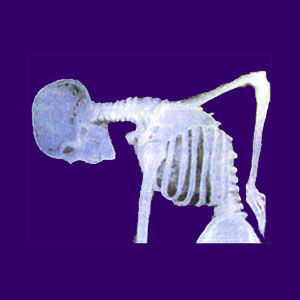
Failed back surgery syndrome is an unfortunate and all too common result of unsuccessful spinal surgery. Back surgery is a painful and traumatic experience to endure. Patients will put themselves through this terrible ordeal with the hope of finding permanent pain relief. However, many of these patients do not achieve a positive result after surgery. Some even have worse pain after the operation than before and find that they have been significantly reduced in their flexibility and mobility. For these patients, the dream of back pain relief has transformed into the nightmare of unsuccessful back surgery.
Spinal surgery is the only type of operative intervention in the world which actually has a diagnosed condition named for its poor curative statistics. When there is a literal epidemic of failed spine surgeries which do not discourage patients from going under the knife, what will?
What is Failed Back Surgery Syndrome?
Unsuccessful back surgery syndrome is more than a condition describing disappointing results from a spinal operation. Instead, the condition should be defined as complete emotional and physical torment.
Spinal surgery is a tremendous trauma to mind and body and is only tolerated due to the possibility for a cure. However, when things actually get worse after surgery, the patient finds themselves in a wide awake nightmare which will likely have no end. The pain typically continues after the surgery or even become much more intense.
The patient may also suffer from additional physical symptoms, including a reduction in their ability to do the things they once did. This disability may be permanent and might create a diversity of hardships.
Many patients also suffer from psychological effects such as depression, anxiety and rage. They have exhausted all their hopes for a complete recovery and have been let down terribly. Worse yet, there often remains no further treatment options available, except more surgical butchery.

Causes of Failed Back Surgery Syndrome
It is possible that the surgeon is just not any good. This can cause a poor surgical result in even the most appropriate operation. A lack of skill or a surgical mistake can cause pain to remain post surgery. Iatrogenesis is all too common in the surgical industry.
Scar tissue, infection or other back surgery complications can also cause the symptoms to endure after an operation. These conditions are sometimes temporary and therefore do not really contribute to true cases of permanent failed surgery syndrome.
The most common cause for a poor surgical result is an inaccurate diagnosis of the true source of the back or neck pain. Obviously if the treated disorder is not the underlying origin of pain, then the pain will likely remain even once the structural issue is resolved during the operation.
Reality of Disappointing Back Surgery
Doctors wonder why there are so many cases of patients displaying failed spinal surgery. How come there is no other type of failed surgery syndrome? The answer to this question is simple. Unsuccessful back surgery is so prevalent since surgery is rarely the best treatment option for back pain. Some doctors misdiagnose back pain conditions more often than they get it right.
Most other treatment options are conservative. Although they might not be effective at ending the pain, at least they do not cause more harm than good. Surgery, on the other hand, can do so much damage to the body. It can literally main or even kill.
If the diagnosed condition is not correct, then the surgery is actually destroying healthy tissue that has simply been mistakenly blamed for causing the discomfort. These back pain scapegoat conditions are rarely the actual cause of the suffering and account for the majority of unsuccessful surgical outcomes.
Psychological back pain may be the true cause of many common symptomatic dorsopathy syndromes. There is no surgery that can cure this condition, since the root elements exist in the mind, not in the spine. Unfortunately, spinal surgeons rarely recognize this condition for what it really is. They will continue to operate and continue to create real disability in patients who could possibly be easily, safely and permanently cured using knowledge-based therapy.
Failed Back Surgery Syndrome Help
Do not take the idea of spinal surgery lightly. This is a serious treatment option and there is no guarantee that it will cure your pain. Exhaust every conservative treatment before thinking about surgery as a final option for enacting pain relief.

The majority of patients try several medical treatment options before surgery, but never consider why they all fail. They simply hold on to that possibly incorrect diagnosis and charge forward seeking treatment after treatment until they land right on the operating table.
Will the operation succeed? Well, maybe. However, statistics speak volumes that it will not. Patients must be very cautious and think carefully about undergoing surgery at any stage of life. Sure, the hope is that everything will improve. But, no matter how bad things currently are, they can always get worse.
Surgery is known for making matters worse in many, many cases. Then what do you do? Failed back surgery is a bitter pill to swallow…