
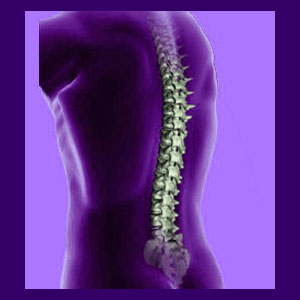
Hyperkyphosis is also sometimes known simply as kyphosis, increased kyphosis or exaggerated kyphotic curvature. This diagnostic conclusion describes an increase or exaggeration in the normal thoracic curvature of the spinal column. The thoracic spine is not the location for many back pain complaints, but in cases of an unusual kyphotic curvature, often becomes the focus of diagnostic evaluation. However, like many other back pain scapegoats, kyphosis is often misidentified as the actual underlying source of pain. It is possible to be diagnosed with hyperkyphotic change in the sacrococcygeal region as well, but this is very rare.
This article examines the incidence and functional effects of increased thoracic kyphosis curvatures.
What is Hyperkyphotic Curvature?
The thoracic spine normally demonstrates a curve with the open end facing the frontal side of the anatomy. This is called a normal kyphotic curvature. This curve is congenital and typical babies are born with a fully formed kyphotic expression in the upper to middle spine.
The purpose of this curve, like every other type of spinal curvature, is to reduce and distribute force on the spine, as well as provide the ability to support additional weight. When the normal kyphotic curvature is exaggerated, the condition is said to be hyperkyphotic or simply kyphotic. While this curvature condition often produces obvious visual evidence, it is rarely the source of any pain or neurological symptoms in minor and moderate expressions. Very severe instances of hyperkyphotic spinal curves can be terribly symptomatic, producing widespread pain and dramatic physical limitations in some unfortunate patients.

Hyperkyphosis Statistics
There are many reasons why a person may develop increased abnormal kyphosis, including nutritional issues, postural issues, bone density issues and past disease or back injury.
Scheuermann’s kyphosis is one of the most common types of the condition which is distinctly diagnosed, but postural, nutritional and congenital kyphosis are also identifiable in their patterns.
The usual physical representation of kyphosis is a rounded upper back and a bent-over posture. This is often colloquially called hunchback or humpback, although these cruel terms should never be used, as they are emotionally hurtful.
Hyperkyphotic change in the sacrococcygeal region may be due to traumatic injury, like a fall or damage caused in childbirth.
Hyperkyphosis Opinions
The vast majority of increased kyphotic curvatures are not significant health issues and may only need to be treated with emotional therapy and body image reassurance. Some advanced cases of kyphosis may be painful, although this is not the general rule. In extreme cases, the worst kyphotic curves may need to be stabilized surgically, typically using spinal fusion with massive amounts of hardware.
If your back or neck pain has been blamed on mild or moderate degrees of thoracic kyphosis, you owe it to yourself to reconsider the diagnosis. In many cases, the unusual thoracic curvature is coincidental to any symptoms experienced and treatment for the kyphosis will prove futile.
Unfortunately, even when the diagnosis is correct, treatment still typically fails to provide lasting relief and surgery might make the pain worse. There are sadly few effectual options for the worst cases of exaggerated thoracic curvatures and these surgical treatments have effects which may rival the terrors of the curvature itself in severity.