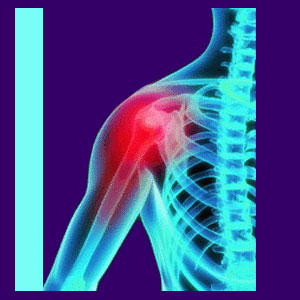
Impingement syndrome is a highly abused, and often inaccurate, shoulder pain diagnosis which often accompanies a causative theory for why the shoulder region aches and has a limited range of motion.
Impingement is most commonly blamed on a rotator cuff tear and is often specifically sourced to the tendon which passes under the acromium, which is a bony projection at the top most outer aspect of the shoulder structure.
Impingement can exist for a wide range of possible reasons and misdiagnosis due to coincidental structural abnormalities is an epidemic occurrence in many patients. This essay examines the actuality of shoulder impingement and details some less often discussed causations, such as the psychosomatic interactions between mind and body.
What is Impingement Syndrome?
Impingement means to suffer a reduction in overall freedom and range of movement. In most patients, this reduction is caused because motion of the shoulder creates pain, so they consciously avoid movement. Generally, there is no structural reason why the shoulder can not move.
However, in some cases, a frozen shoulder may exist, either due to actual inability to move the joint or shrinkage of the shoulder capsule due to extended periods of non-movement.
Impingement often infers a structural reason for the condition to exist, which is often incorrect, since in many cases, the joint is fine and only demonstrates the normal and expected degeneration found in virtually every adult human shoulder. However, this does not prevent countless unneeded surgical interventions to correct these irregularities, despite the fact that many patients do not experience relief postoperatively.

In other cases, surgery or conservative care can bring out a complete cure, through accurate diagnosis and subsequent appropriate treatment for actual structural causations, or the power of the placebo reaction for non-anatomical sources of symptoms.
Causes of Shoulder Impingement
Impingement can occur due to purely physical issues, such as any of the following scenarios:
Severe rotator cuff tears may create impingement scenarios in some patients, although many shoulder tendon conditions are coincidental to pain. This has been proven by the vast number of people who demonstrate identical tears, but have no symptoms at all and never develop them.
Muscle, ligament or tendon injury can result in impingement directly or through limited use due to activity avoidance.
Osteoarthritis in the shoulder can sometimes enact significant anatomical changes which may cause pain. The growth of osteophytes in the path of certain ligaments may be painful in rare instances.
Shoulder bursitis may enact impingement in advanced cases of the condition.
Ischemia of the shoulder region is a common reason for pain and impingement to occur, although it is rarely diagnosed. These cases often usually involve tendonitis of the shoulder structures leading to impingement from activity avoidance and may progress to a frozen shoulder in particularly bad cases.
Impingement Syndrome Caused by the Mind
Impingement of the shoulder certainly exists in many patients, but sometimes not for the reasons speculated upon by many care providers. Torn rotator cuffs and arthritis are the most often blamed sources of shoulder impingement. However, degenerative arthritis exists in almost every adult to one extent or another and usually does not produce chronic or significant pain. Torn rotator cuffs may be the real issue, but are often coincidental to any pain, as they too are extremely common and usually not symptomatic.
Oxygen deprivation tendonitis is an epidemic disorder which can cause pain throughout the body and often leads patients to seek care for a great number of health issues. Treatment will sometimes cause the pain to resolve in one area, only to have it reappear somewhere else. This process is detailed on our page titled psychological symptom imperative.
If your shoulder pain has resisted treatment or relocated on more than one occasion, you might want to consider learning more about knowledge therapy. This treatment is risk-free, cost-free and highly effective at ending symptoms wherever they may reside in the body. However, this treatment is only indicated for mindbody health issues and will provide limited benefits for structural pain conditions.
Back Pain > Psychologically Induced Pain Syndromes > Impingement Syndrome