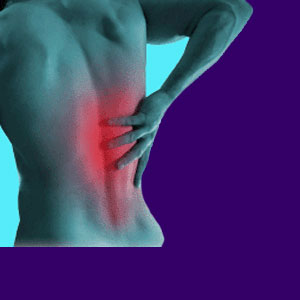
Lordosis pain is an uncommon occurrence in relation to an exaggerated or deficient lumbar or cervical spinal curvature. Hyperlordosis can occur in the lower back or neck, but is rarely a symptomatic condition. However, an increased spinal curve often takes the blame for what might otherwise amount to idiopathic back pain. Likewise, hypolordosis can also be demonstrated in the cervical or lumbar regions and is actually usually a result of pain, rather then its origin.
As is the case with many other back pain scapegoat conditions, irregular lordosis is rarely the actual source of physical symptoms. In reality, a few cases are actually results of some other causative condition in the spine; while others may possibly be linked to a nonstructural process which causes muscular tightening and spasms, distorting the natural spinal profile.
This essay details lordotic back or neck pain and the most commonly applied therapy techniques.
Lordosis Pain Explanations
Abnormal lordosis is yet another spinal abnormality which is commonly blamed for creating chronic back pain syndromes. These mild to moderate changes to typical lordotic curves are almost universally innocent of causing long lasting pain conditions. There are too many patients with identical spinal curves who do not experience any pain or other negative effects.
Patients with symptomatic lordosis typically either have extremely severe curvatures, some other spinal abnormality or are actually suffering from psychological back pain using the lordosis as a convincing camouflage explanation for the mindbody symptoms.
It is crucial to remember that if the back muscles are caused to contract chronically, the spine can suffer a loss or exaggeration of the typical curvature. In these instances, the lordotic alteration is merely an effect of some other source process, not a diagnosis unto itself.
Lordosis Symptom Treatment
For true lordosis-related back or neck pain, there are only a few real treatment options:
Pain management drugs can relieve some symptoms, but come with a variety of risks and side effects. These are especially poor options when used for an extended time frame.
Complementary medical therapies might be useful for short-term pain relief. These are nonpharmaceutical and are therefore preferred over drugs.
Acupuncture might provide considerable symptomatic relief with virtually no risk factors to consider.
Chiropractic might provide symptomatic relief and improved spinal mobility. Many patients find spinal adjustments to be very effective.
Back braces might help to support a patient’s spine, alleviating some symptoms. Unfortunately, long-term use of a brace often has detrimental effects on the back muscles.
Back surgery might provide a cure in rare circumstances, but can also worsen physical symptoms and/or cause serious degeneration in surrounding spinal levels. Surgery is rarely a good solution for lordosis and may not resolve pain, even when it does correct the unusual curvature.
Therapeutic Suggestions for Lordosis Pain
Patients with severe lordotic curves have few therapy options available. Surgery might stabilize the condition, but does so at a high price. Symptomatic therapy must be used continuously, which is expensive and often demonstrates limited success.
Extreme hyper or hypolordosis are two of the worst diagnoses, due to the limited curative potential of virtually every treatment modality. Spinal fusion using reinforcing hardware is the rule for the most dire cases and this is a torturous path to endure. Implanted hardware can fail, cause infections or even kill. Pain relief is statistically rarely seen over time and a great number of patients find themselves right back on the operating table multiple times after undergoing a fusion. Be very careful with this path and reserve it as a truly last resort therapy option.