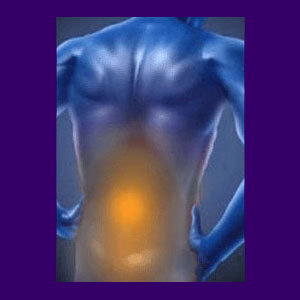
Lower back and buttocks pain is one of the most common combination pain symptoms suffered by patients with a wide range of diagnosed conditions. The lower back and buttocks muscles are the most important postural muscles in the body. Any pain syndrome which affects them is likely to reduce the ability to perform many physical activities and may lead to general debilitation in some patients. Being that the buttocks muscles are incredibly strong, any symptoms which affect them are guaranteed to have far-ranging effects on physical functionality, as well as causing particularly severe misery.
This treatise exposes the reality of low back and buttocks pain in a whole new light. We will examine the causes and management of these common pain conditions, as well as provide some lesser known truths about chronic pain in the lower dorsal region.
Buttocks and Lower Back Pain Causes
Lower back pain is the most widely experienced type of dorsopathy known. In many cases, the symptoms may radiate into the buttocks or even into the legs and/or feet. When this occurs, the expressions are generally known as sciatica symptoms.
There is a seemingly endless variety of spinal and non-spinal diagnoses which can be implicated in sourcing lumbar back pain and buttocks pain. Herniated discs in the lumbar and lumbosacral regions are the most common condition, while spinal osteoarthritis and various abnormal spinal curvature and spinal misalignment issues follow in suit.
Sometimes, the pain is not diagnosed as stemming from the spine, but instead is theorized to originate in the muscles or nerves. Piriformis syndrome is a typical diagnostic theory used to explain back and buttocks pain of a non-spinal origin. Sometimes, the pain may be linked to bone or soft tissue concerns in the sacroiliac joint, unilaterally or bilaterally.

Lower Back and Buttocks Pain Treatment
In order to find the ideal treatment for your lower body pain, it is absolutely crucial to achieve an accurate and correct diagnosis. Without this often overlooked facet of care, any therapy is certainly bound to fail, since it will not be targeting to actual reason for the symptoms.
Back pain diagnosis is usually taken for granted, since spinal abnormalities which can be imaged are usually blamed for pain without question. However, statistics clearly show little, if any, correlation between many spinal structural conditions and the incidence or severity of back pain.
Remember to investigate your diagnosis thoroughly and compare expected pain to actual pain to make sure the working diagnostic theory fits the condition. Evaluation of the condition by a trained neurologist or orthopedist can be very helpful in this regard.
Lower Back and Buttocks Pain Combinations
This particular combination lower body dorsalgia condition was my most dreaded burden during most of the worst years of my own back pain. I often felt as if an unseen force was pushing my buttocks forwards violently, causing unbelievably agonizing pain in my lower back and surrounding regions. Buttocks pain is no joke and the weakness of these muscles induced by a variety of conditions can lead to the inability to stand, walk or do virtually any physical activity for long.
Remember that the buttocks can also be affected by regional ischemia, enacting severe symptoms, including pain, neurological effects and widespread back muscle spasms. This condition can make life hellish and does not respond well to most medical treatments.
If your pain has not resolved despite many attempts at care, you might want to consider the possibility that oxygen deprivation may be the true culprit responsible for sourcing your symptoms.
This is especially worthy of consideration if you have suffered a diversity of diagnostic opinions and do not demonstrate symptoms which actually correlate to many of these proposed diagnostic theories.
Back Pain > Combination Back Pain > Lower Back and Buttocks Pain