Lower back muscle pain is the most common form of reported patient discomfort anywhere in the dorsal anatomy. It is literally an epidemic condition with the vast majority of adults suffering symptoms at some point in life.
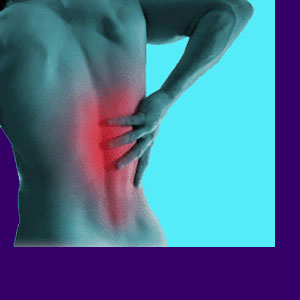
Pain in the lower back and buttocks is usually felt in the erector spinae and gluteal muscles. These postural muscles are some of the largest in the body and can be horribly painful when they are injured or affected by a symptomatic process, such as ischemia.
Lower back pain will affect the abilities to sit, stand, walk, and use the legs. Some patients discover that they can not do much of anything when their low back ache flares up. A few are debilitated and confined to a reclining position for extended periods of time. Many of the symptoms of back muscle pain in the lumbar spine can be unbelievably agonizing. It is strange how the pain can be so severe, yet it will leave not lasting physical effects on the health of the patient. However, it will certainly leave a considerable specter of fear in the patient’s mind and heart.
I can say for sure that the most emotional scarring I have ever suffered in my life was caused by a few particularly virulent episodes of acute lower back pain. This essay is dedicated to patients who are suffering from these same torturous types of lower back muscle pain problems.
Lower Back Muscle Pain Symptoms
Pain is the main symptom of muscular lower back injury but may also be present and horrific even when no trauma has occurred. In fact, the majority of chronic low back muscle syndromes are idiopathic and are not related to a specific injurious event. Lower back pain can be the worst misery a person might ever experience in their lifetime. The muscles of the lower back and buttocks can be terribly torturous when affected. The pain might be steady or come and go, depending on the extent and cause of the suffering.
Symptoms often escalate when the postural muscles are called into play. Being that virtually all our movements involve the use of these muscles, many patients are precluded from standing, sitting or moving to any large degree while the worst of the expression victimizes them.
Muscle spasm is common in lower back injuries. Back spasm is when the muscle contracts so tightly that the person will be unable to even move. Spasms in the postural back muscles are the worst fate a patient can suffer.
I clearly recall the fury of my own lumbar spasms and the memory fills me with dread. I felt as if my spine was being ground to a fine powder by the pressure enacted by my lower back and buttocks muscles. The spasms not only tightened to unbearable degrees locally, but also affected my ability to move in any way. The more I fought them or tried to find a position of relief, the worse they became. All I could do to survive was to stay as still as possible and try not to scream. They were really that bad!
Muscle tightness or stiffness is also common. Chronic tension in the lumbar muscles can result from inflammation or injury. However, ischemia can also create identical effects and is a far more logical explanation when the tense feelings continue long-term or when no specific injury has occurred.
Muscle Pain in the Low Back
I know it hurts. I really do know. I have suffered with terrible pain in my lower back since I was 16 years old. Decades already… There were times that the pain almost made me breakdown and cry. It is unbearable. The best thing to do for severe muscular back pain is to relax. Take a few days to recover and take it easy. Do not lie around for days in bed. Get some rest, but also try to move around gently. Do not assume that you will be injured for weeks. A positive mental attitude is crucial for a fast recovery.
Most lower back muscle pain is due to a minor back injury. This is very common, especially for people with jobs involving routine hard labor. However, this perceived injury can also just be a trigger for a psychoemotional back pain syndrome to begin.
If you have chronic and unresponsive muscular back pain, it may be a good idea to learn more about how knowledge therapy might be the real answer to your lower back muscle pain problem. No costs to incur and no risks to suffer with this path to treatment. That’s a refreshing change!