A lumbar injury is a dreaded event for anyone who has experience with lower back pain. The lumbar spine has a bad reputation as an area prone to injury and degenerative conditions, but in reality is a rugged and durable structure. Although the lower back is a highly mobile area of the spine, it is built to accommodate frequent flexing and bending and is designed to last a lifetime under normal use, despite the universality of degeneration.
This being said, the lumbar spine can still endure traumatic damage caused by many possible scenarios. In some cases, injury might lead to protracted periods of pain that might linger despite aggressive treatment.
This essay details the usual varieties of lower back injuries, as well as the potential causes of these traumas.
Types of Lumbar Spine Injury
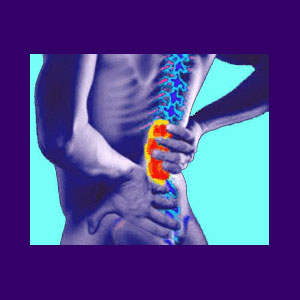
Lower back injury can occur for many possible reasons. Trauma, such as auto accidents, slips and falls, violence and sports injuries are major sources of lumbar damage. Many low back injuries are work related and are very common in jobs requiring extended periods of manual labor.
Sometimes, a patient can develop a sudden injury from a completely normal and innocent activity, such as bending or lifting. Although some injuries are actual damaging events to the lumbar spine, many other perceived injuries simply act as convincing back pain triggers used to explain the commencement of mindbody symptoms.
Many doctors estimate purely perceived injuries, as opposed to actual injuries, to account for up to 75% of all low back ache complaints linked to a particular incident or activity. I tend to agree with this finding and might even place the number closer to 85% from my own research.

Muscular Lumbar Injury
The most common type of low back injury is a pulled muscle or ligament. Muscular back ache can be very painful, but is rarely serious. Many cases of back muscle pain are brought on by stress or muscular tension caused by some unresolved or repressed psychoemotional issues. It is crucial to understand that the mind plays a key role in the creation and cure of many back ache conditions, in order to differentiate pain which comes from a psychosomatic process from pain due to actual anatomical injury.
Muscular pain can come from overexertion, repetitive strain or direct trauma. In cases of diagnosable soft tissue injury, proper rehabilitation in the form of physical therapy is often advised and extremely useful.
Lumbar Injury Conclusions
Although it is wise to always get any lasting pain condition checked out by a qualified physician, studies have shown that patients who do not seek any help for low back pain recover much faster than patients who seek medical attention. This seemingly illogical study actually makes tremendous sense when you consider both the nocebo effect of the medical diagnostic process and the profit-driven back pain industry’s usual long-term treatment regimen. Both of these factors perpetuate the pain in many patients and can make short term acute pain into a long lasting chronic condition.
The best advice is to get a medical check up, but also understand the facts of back pain in relation to your spine. Do not get fooled into believing that many coincidental spinal irregularities are caused by injury. Many are either congenital or developmental and are often considered completely typical for an adult of a given age and physical condition.
Do not forget that any apparent or perceived injury can also simply be part of the convincing evidence used by a psychosomatic back pain process to provide credibility as a truly physical condition. Be sure to investigate all possibilities and never rush into treatment, unless it is truly a dire emergency, such as cauda equina syndrome or spinal instability.