
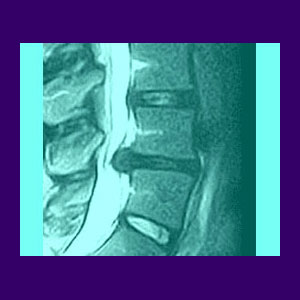
A lumbar spinal cord injury can affect the bottom of the actual spinal cord or one or more of the nerves comprising the cauda equina. Lumbar cord damage may produce motor or sensory deficiencies in the lower body, including the legs, feet, lower torso and genitals. Serious lower back cord injuries might create a paraplegia condition.
It is not commonly known that the actual spinal cord ends in the upper lumbar spine in most people. After this point, nerve messages continue to the mid lumbar, low lumbar, sacral and coccygeal regions via the cauda equina. Therefore, most lumbar cord injuries are actually traumas suffered by the cauda equina, since the cord does not exist here at all after L1 or L2.
This discussion profiles a variety of lumbar cord traumas that may result in temporary or permanent neurological deficits in the lower body, including the genitals and legs.
Lumbar Spinal Cord Injury Facts
Complete spinal cord injuries occur when the cord is either severed or damaged to the point where absolutely no neurological function remains. This will destroy all feeling and motor abilities below the affected vertebral level. Complete injuries are typically permanent and do not respond well to most forms of therapy.
Incomplete spinal cord injuries exist in many patients when the cord has been damaged, but some nerve function remains. There are an endless variety of symptomatic profiles demonstrated in patients with partial paralysis. Some people can move, but can not feel. More often, the ability to stand or walk is lost, but some sensation in the lower body remains. Incomplete cord injury can be a mild bump in the road of life or a major hurdle. Every case is unique.
Lumbar Spinal Cord Injury Effects
The lumbar spine is involved in controlling all the processes in the legs, genitals and lower abdomen. Patients who suffer spinal cord injuries in this region might experience a loss of feeling and movement in the legs or feet.

Some patients will lose feeling in their genitals and some will also lose the ability to function sexually. It is also possible to lose control of the bladder and/or bowels. Patients with upper lumbar cord damage might also suffer some effects involving some lower internal organs. Constipation is typically a chronic concern for some patients and generally poor lower body circulation is inherent to the condition.
Lumbar Spinal Cord Trauma Evaluation
Complete spinal cord damage in the lower back is likely to produce permanent disability which might prevent use of the legs. Incomplete cord damage might prevent walking, but many patients are left with feeling and some motor abilities in the lower body. Partial cord injuries respond much better to treatment and some patients can recover lost functionality with appropriate therapy.
Prognosis for any spinal cord injury has much to do with the actual causation of the health crisis. Trauma, such as accidents or acts of violence, will generally create a permanent symptomatic profile rather quickly, while disease processes and tumors might create a variable and far more responsive paralysis syndrome.
Remember that all spinal cord injuries should be treated by a specialist in the field. Stem cell research offers the best hope for millions of patients suffering from unresolved spinal cord trauma. Hopefully, some day, this treatment will be able to gain full acceptance from its ethical opposition and be available to heal needy patients around the world.