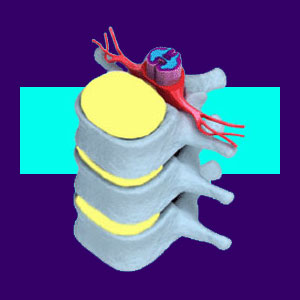
Myelopathy is another term for non-specific spinal cord injury or disease. Spinal cord damage can result in the inability to move or even feel parts of the body. Spinal cord injury can be produced by some form of disease or degenerative condition, but is more frequently the result of some trauma to the spine. Auto accidents and sports accidents are the 2 most common causes of severe spinal cord-related back injuries.
Being that harm which comes to the spinal cord is unlikely to heal, with or without treatment, the incidence of cord disease or trauma is virtually always an incredibly serious health crisis. With the exception of injury to the brain or heart, there is really nothing more dire than spinal cord damage.
This essay explores various forms of spinal cord disease and trauma. We will detail the consequences of trauma to the spinal cord in various anatomical locations along the vertebral column.
Myelopathy Locations
Trauma to the spinal cord will have different consequences depending on where it occurs in the vertebral column. The higher the trauma, the worse the effects will typically be on the patient:
Lumbar and sacral regions: The spinal cord does not extend past the L2 or L3 vertebrae. However, the spinal nerve roots and cauda equina can still be a site of spinal nerve injury or disease. Damage to the lower spinal cord or cauda equina usually results in symptoms affecting the legs, hips, and abilities to control the bladder, bowels and sexual functions. Cauda equina syndrome is a severe medical emergency that usually requires immediate surgical correction.
Thoracic region: Cord damage in the middle back can affect the lower body in the same manner as a lumbar or sacral injury. Lower thoracic cord damage can also create symptoms in the abdomen and disrupt internal processes in this region. Upper thoracic injury will affect the upper abdomen and lower chest regions. Complete injury to the thoracic region usually creates a paraplegic condition.
Cervical region: Damage to the cervical spinal cord is very serious and can result in a tetraplegic condition. Lower cervical injuries have a lessened affect on the upper limbs, wrists and hands than a higher cervical injury. Upper cervical injuries can also affect the breathing process and can be fatal without immediate medical intervention.

Serious myelopathy can affect the cardio-pulmonary systems, the excretory system, as well as the autonomic system. Inflammatory versions are generally called myelitis.
Myelopathy Overview
It is critical for patients with central neurological concerns to receive proper care from a specialist in spinal cord injury. There is a variety of new research concerning potential treatments for the correction and reversal of spinal cord damage. The most promising of these is stem cell research. Many of these treatments have created political and religious controversy, which have mired their progress considerably.
When I see patients suffering from severe cord injuries and the fact that society allows such bickering to halt scientific progress, I get sick to my stomach. Politics and religion have done more to halt our progress of knowledge and enlightenment that any other factors in history.
We consider ourselves out of the dark ages of thought, yet contemplating modern views on experimental medical treatments, I feel like we are simply fooling ourselves.