
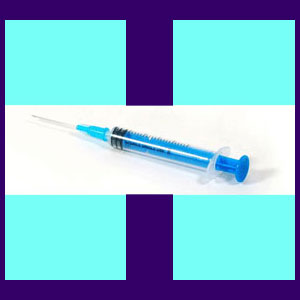
A nerve block is an anesthetic injection administered directly into a painful area of the back. These treatments are commonly called back pain injections or epidural injections when used in the spine. These minimally invasive procedures are used to treat a wide range of symptom-producing conditions and are one of the most popular moderate therapy modalities within the back pain industry.
Nerve injections offer a better solution to the antiquated decision to surgically sever neurological connections used years ago. At least nerve injections are temporary and will not do more harm than good in most cases, since the effects will wear off eventually if unexpected and problematic complications with sensation or motor function do result.
This dialog explore the benefits, limitations and risks associated with the use of spinal nerve blocks.
What is a Nerve Block Injection?
Regional neurological blocks are used to prevent painful sensory messages from traveling on a nerve which is affected by some form of dorsopathy condition. These injections are used for virtually the entire gambit of causative back pain diagnoses, from herniated discs to arthritis in the spine.
Nerve injections are typically made up of powerful local anesthetics, corticosteroids and epinephrine. Injections can be given as a single shot or a series of shots into a regional area. Other forms of neurological block, such as radiofrequency lesioning and cryoanalgesia use heat or cold to affect painful nerve tissue and typically are longer lasting than anesthetic injections. The best path to successful treatment will depend on the exact nature of the causative condition and various factors relating to the circumstances of the patient’s health and symptomatic expression.

Nerve Injection Diagnosis
Many back pain diagnoses are made using a nerve injection to confirm a suspected causative condition. This is a problematic and inaccurate investigative method which is often responsible for causing a misdiagnosed back pain condition for the patient. An injection of anesthetic to prove a certain structure is the source of pain is rarely a perfect science, even when performed under live x-ray (fluoroscopy).
Be very careful of any diagnosis made using injection therapy. The anesthetic used can spread to other potentially symptomatic structures and can also alleviate the pain of an unrelated condition, such as psychosomatic back pain enacted through ischemia.
Remember, regardless of the diagnosis, just because a particular neurological structure is implicated to be a location of pain, does not mean that it is the only location. Many nerve injections fail to resolve all the sources of symptoms, thereby only providing partial relief while other “hot” nerves still exist.
Nerve Block Advice
Using epidural injections as a moderate back pain treatment is both popular and generally effective in the short-term. Many patients with a variety of problematic complaints experience generally good relief from their first round of injections, but less relief and shorter term relief from subsequent rounds of treatment.
Do not believe that injection therapy will generally be a cure for your pain, for you are sure to be greatly disappointed in most instances. Neurological blocks merely buy you some asymptomatic time to investigate treatment modalities which might create a real cure. Injection therapy is merely symptomatic back pain treatment and as such, demonstrates all the risks of all temporary therapy modalities.
The bottom line comes down to this… Use nerve injections to deal with acute back pain in the present, but find a more effective plan which might actually solve your pain condition in the long-term, if and when your symptoms return.