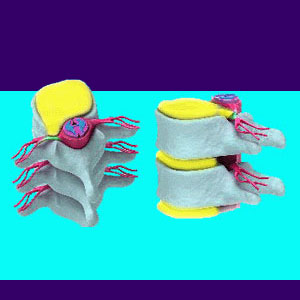
Neurotomy is a type of surgical procedure used to eliminate painful neurological messages by damaging the structures which carry these nerve signals. Typically, this type of operative intervention is performed upon the small spinal nerves which serve the facet joints, although the technique can be used to treat pain in other areas of the back and sacroiliac joints. This minimally invasive operation is sometimes also referred to as denervation or nerve ablation.
There are permanent and long-lasting temporary versions of denervation available. Patients are always advised to try temporary and reversible forms of treatment first to be sure results are acceptable. There would be nothing worse than having a vital neurological structure destroyed permanently and still having pain.
This guide details the use of denervation techniques to treat dorsal pain syndromes.
Types of Neurotomy
There are various forms of this procedure, but the most common involves using radiofrequency lesioning technology to destroy painful nerve fibers using heat energy. This is a minimally invasive back surgery procedure which is accomplished using a small catheter and heated probe. The probe contacts the affected nerve, damaging it and temporarily preventing it from carrying pain signals to the brain.
Nerve tissue can, and typically does, regenerate when using the radiofrequency procedure, so back pain relief, if enacted at all, will only be transient.
There are other surgical options for facet joint denervation including manually severing or burning the nerves, which should enact more permanent effects. These permanent methods should always be used carefully, since changing the neurological abilities of the body can have some truly horrible consequences in extremely rare instances. These negative effects can include partial and total paralysis of small or large areas of the body, tissue necrosis or even dire autonomic effects.

Facet Denervation Results
Denervation is often used to treat facet joint pain or sacroiliac pain which has been diagnosed through anesthetic injection. This type of diagnostic process is not particularly accurate and leaves the patient more open than usual to suffering from a misdiagnosed back pain condition. In these cases, the patient is unlikely to enjoy significant relief from the procedure.
For accurately diagnosed patients, radiofrequency denervation offers relatively good, but temporary treatment results. Most successfully treated patients experience relief lasting several months to about a year, on average. The procedure can be repeated if necessary, but subsequent rounds of therapy are often less successful and last a shorter duration than the original operation.
If multiple rounds of temporary treatment are incredibly successful at resolving all the major symptoms, then more permanent measures of destroying the affected nerve tissues may be considered in order to resolve the expression of pain for good.
Neurotomy Guidance
This procedure demonstrates a few of the usual back surgery risks, but is not very invasive. It may be a far better choice than open surgery for treating appropriate conditions. There is very little to lose by trying denervation, but it is crucial to understand that this is typically only a partial or temporary solution to your pain.
The major benefit to nerve ablation techniques is that they spare the spinal anatomy any major renovations and therefore do not cause the drastic avalanche of degeneration common to more dramatic procedures. Although the causative symptom-producing concern may remain, it can not cause any more pain and therefore becomes a non-issue, at least for patients who choose permanent destruction of the nerves carrying the recurrent pain messages.
For previously treated patients, who have not enjoyed good results from denervation, I strongly urge you to reconsider the validity of your diagnosis. Remember, for every back pain condition, treatment can only be successful if the actual causation of symptoms is surely known.