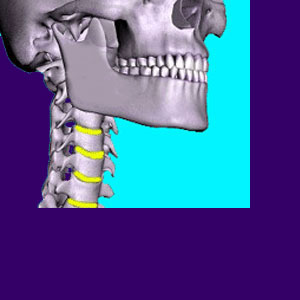
Spinal osteophytes, also known as bone spurs, are the result of normal degenerative processes which occur as part of getting older. Bone spurs are formed in many of the body’s joints, but are most commonly associated with the vertebral bones of the spine.
Vertebral spurring has been the source of heated controversy in the medical community, since many doctors blame it for creating a variety of back pain conditions, while other medical professionals recognize that this process is just a usual part of aging. Most spur formation seems to be non-problematic, but this is not an absolute rule. Some spurs can form in locations which can become functionally debilitating. These may create pain and even neurological dysfunction in some particular circumstances.
This treatise examines bone spurring in the spine and its potential consequences in the form of pain and dysfunction.
Where do Osteophytes Come from?
Bone spurs can be caused by the degeneration of the spinal joints, as well as contributed to by the overall spinal aging cycle. One of the more common areas to see bone spurring is on the facet joints. The spinal facets are usually protected by a layer of cartilage covering the bone and a capsule of lubricating synovial fluid. As we age, these protective measures break down, causing bone on bone contact that can irritate the joint.
Bone spur formation is a process of arthritis in the spine and may contribute to the diagnosis of facet joint syndrome.
Degenerative disc disease can bring the actual vertebral bodies closer to one another and increase bony interactions. This can result in spurring on the edges of the vertebrae, as well as the buildup of bone spurs inside the actual spinal canal.

Endplate spurring is not usually reason for concern, but any arthritic debris inside the central canal may cause or contribute to the formation of potentially dire spinal stenosis. This diagnosis can create a variety of nasty symptoms, including severe neurological impairment below the affected spinal level.
Vertebral Bone Spurs
The facet joints are one of the most common sites for bone spur formation to exist. These are the areas in the rear of each vertebral bone which connect to the vertebrae above and below. Degeneration in these joints is almost universal in elderly adults and can occur in much younger adults, as well. Bone spurs can cause some discomfort if the degeneration is severe, but this pain is generally dull, localized and controllable.
Severe spinal joint symptoms may result from a bone spur compressing a spinal nerve root. Pinched nerves are diagnosed far more often than they actually occur, but when induced by an osteophyte, they may require invasive treatment.
Many of these diagnoses, called neuroforaminal stenosis, are mistakenly identified as compressing a nerve. While a decrease in the size of the foraminal openings is a common occurrence in aging patients, the entire space would need to be virtually sealed off in order to affect the nerve root. This seldom occurs, but when it does, will enact a very predictable pattern of serious symptoms. Usually pain and tingling will begin the expression, followed by extended periods of objective numbness and weakness in the area served by the affected nerve tissue.
Guidance on Osteophytes
Getting older can be tough on the body, difficult for the mind and insulting to the spirit. There is no doubt that there are some aches and pains associated with aging, both physical and emotional.

Serious bone spur pain is not common and is usually used as a diagnosis to explain otherwise idiopathic back pain in an older patient. As with many other spinal conditions, bone spurs are used as scapegoats by the back pain industry.
There are few patients with serious pain and symptoms directly linked to their vertebral spur formations. Another common condition that affects many patients with misdiagnosed bone spur formation is psychoemotional back pain due to repressed issues. These issues may or may not be age-related, but many elderly patients do suffer from anxiety and emotional rage simply due to the effects of age on their bodies, minds and lives. This is always a point to consider, especially when symptoms do not resolve despite active and seemingly effective treatment.