Osteoporosis, also known as porous bones, is a condition that causes the bones to become weak and brittle. The condition affects 10 million Americans and another 40 million have low bone density, called osteopenia. Worldwide, these figures are exponentially higher, especially in underdeveloped areas of the globe where proper nutrition is neglected or simply not readily available.
Low bone density is an early sign that the person might develop porous bones. The condition affects mostly women and is usually found in people over the age of 50. Low bone density is not a painful issue unto itself. In fact, it creeps up silently and without warning signs in most patients. Remember, the skeleton is responsible for maintaining our structure, posture and functionality. If it begins to crumble, you can only imagine the possible problems which can and do occur. In advanced cases of porous bones, the soft tissues are stressed trying to hold everything together while the affected bones themselves are weak and deteriorating faster than the body can adapt to the degenerative changes. It is a very sad condition indeed.
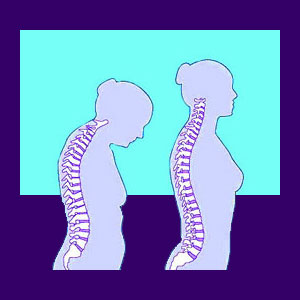
The usual outward signs of a serious condition include destroyed posture, a fragile appearance and the inability to ambulate well. Porous bones are most common in the spine, wrist and hip, but can occur virtually anywhere in the human anatomy.
This resource section provides guidance on how bone porosity might be involved in back and neck pain complaints.
Diagnosis of Porous Bones
Porous bone conditions can be detected long before they become a problem. It is wise to start testing bone density early, long before the onset of symptoms. Most people should start to test their bone density around early middle age. Women, and those in high risk groups, should make early testing a priority, possibly as young as age 40.
Bone density can be measured by CT scan, ultrasound or DEXA (dual energy X-ray absorptiometry). The test will determine bone density and act as a comparative example for testing performed in later years.
The doctor will advise a preventative or active treatment strategy based on the diagnostic results. When discovered early enough, treatment is usually effective and can prevent the onset of symptoms.
Bone Density Topics
While osteoporosis is not a direct cause of back or neck pain, it can be a culpable contributor. Learn more about how porous bones can cause big problems in the spine by reading the following dialogs:
Preventing osteoporosis is much easier than treating the condition once it reaches critical mass.
Low bone density is an early warning sign of porous bones, as well as osteomalacia.
Learn about the causes of porous bones in order to live a healthy lifestyle that will foster skeletal strength.
Porous bone symptoms usually do not begin until the disorder has already become a severe health issue. Porous bone pain is almost unheard of, since the condition develops without many indicators until it is too late.
Porous bone treatment might utilize pharmaceutical products or may focus on holistic therapy using a specialized anti-porosity diet.
Osteoporosis Conclusions
Bone density concerns are most often preventable. Make sure to start eating right when you are young. Get a healthy supply of vitamin D and calcium throughout your adult life. Exercise will also help to make the bones strong. Sensible skeletal loading exercise is particularly good for your whole body.
The biggest misconception perpetuating bone density concerns is that osteoporosis is an old people’s disease. Well, sure the symptoms come out later in life, but the foundation for the expression is set in our much younger and formative years. Take time to learn about preventing bone density problems while you are still young and you will probably never have to actually deal with them as you age.
Osteoporosis, itself, is not a source of back pain. It is a degenerative condition and can lead to serious structural problems due to vertebral fractures and spinal instability. The epidemic incidence of obesity is also a factor in creating symptomatic bone density issues. Excessive weight on the body will certainly increase the likelihood of enduring serious consequences when suffering from fragile bones. This is not a disorder to be taken lightly and active treatment should always be sought from a qualified physician.
Treatment options are mostly a combination of physical therapy, preventative exercise, dietetic alteration and pharmaceutical intervention. There is the possibility that crumbling vertebral structures may require surgical repair and reformation using minimally invasive modern techniques, such as vertebroplasty.