
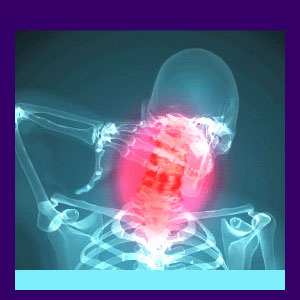
A painful neck can be a life-altering condition for some patients. Chronic symptoms can disable physically and demoralize mentally. The cervical spine is the thinnest and weakest part of the spinal column, yet is still much stronger than many doctors or patients give it credit for.
Cervical structures are often blamed for ongoing symptoms experienced, either due to neck injury or degenerative conditions. Cervical pain is the second most common of all back pain syndromes, only bested by lower back pain. Anyone who lives with agonizing neck ache can tell you that the symptoms are just as bad as the worst lumbar dorsopathy.
This discussion details the first hand experience of suffering from a chronically painful neck.
Origins of a Painful Neck
Injury to the cervical region is a common explanation for chronic neck pain. The neck is indeed prone to trauma, when significant force is applied, due to its design and function. The head is a heavy weight which can create the ideal scenario for damage during significant trauma. The best example of this type of traumatic injury is the neck pain caused by whiplash. Most neck injuries are very painful and some might require expert medical care. Spinal cord injuries in the cervical region are particularly problematic and can result in total loss of sensation and mobility from the neck down.
Degenerative conditions can also be responsible for enacting neck pain. Disc and bone problems are common in the neck. The actual vertebral bones and cervical discs are thinner and smaller in the cervical area than anywhere else in the spine. It is for this reason that degenerative changes, such as bone spur formation and disc degeneration, are so noticeable in the neck. The neck is also an area of tremendous spinal movement, ever flexing and bending. This makes the degenerative processes occur even faster than in a spinal area, such as the thoracic region, which experiences far less vertebral movement.

Neck Pain Myths
Just because the neck is relatively easy to injure does not mean that chronic pain is imminent. Most neck injuries respond well to appropriate medical treatment. The body is designed to heal and the anatomical location of the neck places it in an area which heals very fast.
Degeneration is often rampant in the neck, but that does not mean that any symptoms actually come from the degenerative processes. Disc, joint and vertebral degeneration are completely normal and universal parts of getting older. Most degenerative changes in the cervical spine are harmless and completely asymptomatic. This is not to say that some patients are not suffering from actual pain-inducing degenerative changes. It is simply making a factual statement on the exaggerated diagnosis of back pain scapegoat conditions used to explain otherwise idiopathic pain syndromes in the cervical spine.
Psychosomatic Painful Neck
Psychological back pain often strikes in the cervical region. Neck and upper back pain is commonly the direct result of ischemia directed at the region by the subconscious mind. Alternating and combination pain syndromes in the neck and other spinal areas are often a good indicator of a psychosomatic causation. Painful symptoms which defy the expected clinical pattern for the diagnosed condition may also help to positively identify a psychosomatic cause.
Patients who have demonstrated a history of other psychosomatic pain syndromes must realize that their chronic neck pain might be yet another example of the mindbody process at work. Patients with a back pain personality often do not recognize just how susceptible they are to psychologically induced physical pain conditions.
Painful Neck Suffering
My main back problems were in my lower back for the first 18 years of my own nightmare. However, throughout my entire experience with chronic lumbar back pain, I also suffered from recurrent bouts of neck and upper back pain. These acute attacks usually came at times when my lower back felt better.

My doctors blamed the cervical pain on either overexertion, martial arts injury or some affective response to the lower back pain. It was often said that the cervical spine was reacting to treatment in my lower back, which was a sign that the lumbar treatments were working. This never sounded right to me, even at the time… but as the years passed and the lower back continued to worsen, I knew it was simply a complete lie. Experience has taught me that some egotistical care providers will say anything when aggressively questioned, regardless of the logic or truth of the answer.
My lower back was the primary suffering zone and the cervical discomfort was a classic case of back pain substitute symptoms. In my interviews with thousands of patients, I have discovered that this is a very common pain scenario indeed.
Most patients with chronic unresolved back pain have at least one secondary pain zone which occasionally flares up. I wish this was still the exclusive cause of my pain. Now, I have several much more significant structural issues, although I know the mindbody process is also contributory to my re-development of symptoms throughout much of my back and neck in recent years. Therefore, I am trying to maintain a middle ground of study between the psychological and physical treatment approaches more than ever before.
If you are experiencing severe chronically painful neck, you must do whatever possible to achieve an accurate diagnosis. If your original diagnosis was completely correct, then your pain should have responded well to treatment and you would likely already be cured. If this is not the case, you must consider the chance that you too have been misdiagnosed. This is the primary cause of many long-term pain syndromes.
Learning the facts about your pain is the first step in finding a cure. Embracing an incorrect diagnosis will not do anything to help your painful neck and may only perpetuate your agony indefinitely.