
The many pinched nerve causes often diagnosed as enacting a nerve compression condition are often the result of a structural spinal abnormality, but can also be the work of an emotionally-driven ischemia syndrome. What this means is that not all diagnosed pinched nerves actually entail a physically compressed neurological structure. Instead, some of these nerves are merely starved of life energy in the form of purposeful oxygen deprivation.
This article will look at many inconsistencies in the pinched nerve diagnostic process. We will examine why some structural spinal issues may or may not compress nerve roots, as well as how some regional processes can mimic the symptoms of seemingly mechanical compressive neuralgias.
Spinal Pinched Nerve Causes
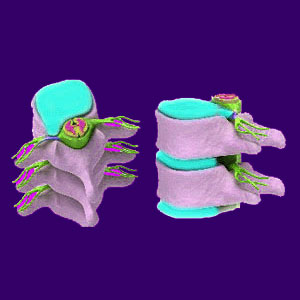
Diagnosed pinched nerve conditions are almost always said to be the result of a spinal irregularity. In these circumstances, a spinal structure is theorized to be actually applying pressure to a nerve root, creating pain and limited neurological functionality. The typical causes of this scenario include herniated discs, degenerative disc disease and arthritis in the spine.
The actual diagnosis of a spinal nerve root impingement syndrome is often called foraminal stenosis. What this definition means is possible compression of the nerve root in the neuroforaminal opening by some other spinal structure, such as a bulging disc or osteoarthritic bone spur. Less common causes of spinally induced pinched nerves may include some forms of advanced spinal curvature, such as scoliosis, lordosis and kyphosis, as well as spondylolisthesis.

All of these are completely valid explanations for a pinched nerve, when symptoms correlate by location and expression. However, this is where many diagnoses go astray, since symptoms sometimes do not correlate. When this occurs, the structural issues implicated as causing the compression may be innocent and coincidental, especially if actual force is not proven to be exerted upon the nerve.
Alternative Causes of Pinched Nerves
Besides the diagnosed instances of spinally-induced nerve compression, there are other possible reasons for pinched nerve symptoms to occur:
Piriformis syndrome is neurological compression of the sciatic nerve by the piriformis muscle. This is a true compression syndrome, but the condition exists outside the spinal anatomy, in the deep bottom region of the buttocks.
Thoracic outlet syndrome is compression of one or more of the neurological structures in the bracial plexus, most typically enacted by the scalene muscles.
One of the more common forms of pinched nerve actually does not actually involve any structural compression at all. Ischemia is responsible for sourcing some seeming nerve impingement syndromes, using the regional power of oxygen deprivation.
Ischemia nerve symptoms typically outlast the life expectancy for structural concerns and may create a chronic back pain syndrome anywhere in the spine.

Analyzing Pinched Nerve Causes
I was diagnosed with degenerative disc disease at age 16 and 2 herniated discs in my early 20’s. These conditions were diagnosed as the sources of my pain, due to supposed compression of the nerve roots at the affected levels (L4, L5, S1). None of my doctors and chiropractors could ever cure my pain, despite a host of attempted treatments directed at these pinched nerves. This was an indescribably frustrating ordeal for me as an active young man and dealing with the constant pain and unpredictable nature of the symptoms was truly hellish.
Once I came to terms with the fact that my herniated discs were not likely to be causing any of my pain, I found an explanation which made far more logical sense. I tried using knowledge therapy to treat the condition, theorizing oxygen deprivation as the actual causation. Well, within weeks, I was symptom-free and enjoyed many good years without any pain.
Pinched nerves due to any structural source are somewhat rare and chronic pain from these issues is even less common. Furthermore, these anatomical issues often respond well to appropriate treatment. If you have intractable and unresponsive pinched nerve pain, it may be indicated to reconsider the diagnosis, for chances are, this is where the problem lies.
Talk to your neurologist for detailed information about what to expect from a compressed spinal nerve and then compare this to your actual symptoms. This is a good way to see what makes sense and what may be a diagnostic blunder.