
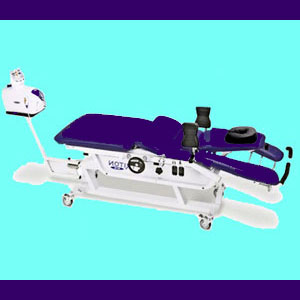
Pinched nerve therapy often provides disappointing results, depending on the modality selected and the accuracy of the diagnosis. A true pinched nerve is defined as a neurological tissue which is being compressed due to force exerted upon it by some other unyielding anatomical structure. Nerve compression has a very definite symptomatic pattern in most instances. Acute compression usually elicits pain, typically followed by tingling, weakness and finally objective numbness.
If the diagnosis is correct, some treatment options will lead to relief from pinched nerve pain, while others will do nothing at all, except put money in the care provider’s pocket. The scope of this article will examine some of the more popular therapy options, as well as their positive and negative considerations for treating nerve compression.
Pinched Nerve Therapy Concerns
There are 2 main reasons why so many treatments fail to solve neuralgia issues:
First, given the fact that a pinched nerve condition does indeed exist, any type of symptomatic treatment will do nothing to resolve the neurological compression. In other terms, most therapies designed to relieve pain will not alter the fact that some structure or process is cutting off the normal nerve signal. Therefore, the condition will continue until the patient tires of the symptomatic treatment and chooses to pursue a curative approach.
The most common of these potential cures are spinal decompression and correction via back surgery. Some patients find the manual manipulations of chiropractic care are also a useful method of resolving minor nerve compression issues.
The second and primary reason why many therapy options have poor results for the resolution of pinched nerve pain is simple misdiagnosis of the actual source of the symptoms. Many patients are diagnosed with a pinched nerve simply because they are suffering from symptoms commonly associated with neurological compression. There is no proof that a pinched nerve exists, but the diagnosis is made, nonetheless.

Meanwhile other structural issues might be the source of the symptoms, as may some disease or infectious process. Oxygen deprivation back pain will often mimic the symptoms of a pinched nerve exactly. Ischemia can cause all the pain and related neurological symptoms that would normally exist in a real compressive syndrome, even when no actual compression is occurring. Worse than that, oxygen deprivation can affect a regional area involving many nerves, which often accounts for widespread nerve pain in a large section of the body.
Effective Therapy for Pinched Nerves
Obviously, achieving an accurate diagnosis is the most important factor in successfully treating a pinched nerve. If the diagnosis is correct, then it is simply a matter of choosing a therapy option which will lead to a cure for the condition, rather than merely providing pain management.
Some unresolved nerve pain conditions are actually incorrectly identified ischemic syndromes, most often caused by the mindbody process. Nerves are extremely sensitive tissues and are greatly influenced by even minuscule levels of oxygen deprivation. Many patients with severe psychosomatic back pain display large areas of significant oxygen deprivation which would certainly explain why their pain is so incredibly fierce and diverse in expression and location. This helps to provide a logical conclusion as to why so many patients with diagnosed compressive neuropathy issues have symptoms which seem far too wide ranging for their suspected source problem. In essence, a single pinched nerve could never produce the varieties of pain suffered.
Pinched Nerve Therapy Suggestions
Remember that any medical therapy option usually entails ongoing treatments. If you are involved in long-term care for a nerve related pain syndrome, you must ask yourself, “What is the goal here?”

You can not simply endure an endless variety of back pain treatment modalities which will not correct the nerve compression condition. Remember that many cases of nerve pain are actually misdiagnosed and are caused by another root causation than that which has been theorized. The symptoms are identical, but the explanatory reason is completely different. This clarifies why so many postoperative back pain patients continue to have severe symptoms even after the suspected nerve compression culprit has been surgically corrected.
Be sure to put in due diligence when researching your diagnosis, especially if surgery has been mentioned as a possible treatment option. Get to a talented and objective neurologist and ask them to do a battery of tests to check the symptoms against the suspected source. Once you have their opinion, then you can make a better informed choice on the best path to relief.