
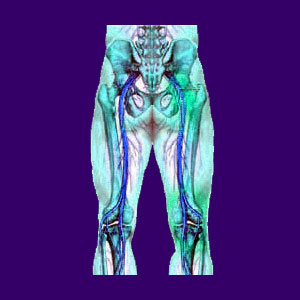
The piriformis muscle is a small deeply seated muscular tissue which attaches the sacrum to the femur. This muscle is crucial for proper ambulation, as it helps to transfer weight from one leg to the other. It is also implicated in causing or contributing to a chronic and debilitating condition known as piriformis syndrome. The piriformis exists deep in the buttocks/pelvic area, in close proximity to the sacrum, sacroiliac joints and interior hip joints. Nerve supply to the piriformis muscle is via the L5/S1/S2 spinal nerve roots, which are known problem areas affected by many lumbar pathologies.
The piriformis is a common scapegoat blamed for causing sciatica and in some instances might actually do so. This discussion explores the possibility that the piriformis tissues might create sciatic nerve impingement problems in some patients due to structural injury, imbalances and alternative explanations.
Piriformis Muscle Anatomy
The piriformis is a roughly flat triangular muscle that lies under the gluteal muscles of the buttocks. It is a very strong muscle and is one of the core postural muscles in our lower pelvic region.
In most people, the sciatic nerve passes directly under this muscle. In about 15% of the population, the sciatic nerve actually passes through the muscle, which creates a higher incidence of piriformis-related pain, theoretically due to neurological constriction. The reason for this constriction is hotly debated, with many doctors citing injury to the muscle as the cause, while others see no reason to suspect any nerve interaction truly happening at all.
Many mindbody physicians have proven that the piriformis is indeed the cause of symptoms in some of their patients, but have discredited the idea that the piriformis is structurally damaged or irregular in favor of supporting the theory of purely psychosomatic causation.

Piriformis Muscle Pain Diagnosis
Actual pain due to piriformis nerve compression is rare, but certainly is possible. However, this diagnosis has become a convenience to doctors who are looking for new anatomical reasons on which to blame unexplained and unresponsive sciatic nerve conditions.
Piriformis syndrome is usually a diagnosis of exclusion and often replaces a previous incorrect diagnostic theory. Many patients who are first treated for some other type of back pain are eventually diagnosed with piriformis-related pain if the treatments for the originally diagnosed condition prove to be ineffective. In essence, piriformis syndrome has truly become a hot new star for doctors looking to diagnose the next in vogue lower body neuralgia condition.
Piriformis Facts
Chronic pain conditions are very difficult to prove as coming from the piriformis itself. However, they are alsoalmost impossible to disprove. Therefore, we have an ideal alternative to the old standard back pain scapegoats. Let it be known that true piriformis pain does exist, but is rare.
In my own experience, many patients diagnosed with piriformis-induced symptoms are actually suffering symptoms due to ischemia. Chronic oxygen deprivation of the piriformis is what causes it to constrict and compress the sciatic nerve. This is a far more logical explanation for symptoms than muscular injury, which is almost never proven and is often discredited by the patient themselves, who claim no previous injury to the region.
If you have endured countless unsuccessful treatments for your piriformis symptoms, I urge you to reconsider the validity of the diagnosis and seek a second opinion. Remember, the piriformis diagnosis may be correct, but if the therapies used are not targeting the real reason for the nerve compression, they will rarely be effective. This helps explain why some methods of care, like PT, bring about temporary relief due to increased oxygenation, but never cure the condition. The ischemia is never addressed and continues after the temporary increase in circulation ends.