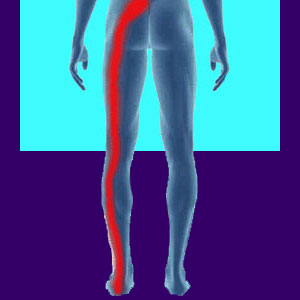
The psychology of sciatica involves the potential for emotional trauma far worse than the physical pain caused by this common lower body neuropathy condition. Most patients are deeply troubled by the chronic back and leg pain and are intimidated by the various diagnoses they might have received. Sciatica is one of the most prevalent of all dorsopathy complaints affecting untold numbers of poor souls across the globe. Being that the lower body functionality is affected to one degree or another in all cases, many patients fear the worst when thinking about how the condition will limit them in the future.
Many patients fear paralysis or the inability to work. Others fear sexual dysfunction or the inability to have children. While these can be justified worries in a few cases, most sciatica syndromes will not lead to these unfortunate extremes and patients must understand the facts of the condition if they are to have any hope for recovery.
Initial Psychology of Sciatica
Sciatica is not a condition unto itself. It is actually a symptom set of an underlying structural or psychosomatic problem in the spine or in the subconscious mind.
The vast majority of patients with sciatic nerve pain are diagnosed as having symptoms due to a structural cause in the spine. Typically, a herniated disc or osteophyte is blamed for causing a compressed nerve through the process known as foraminal stenosis. Although this diagnosis is made ad nauseum; the scapegoat condition may not be to blame for creating any nerve impingement at all. Remember, continued compression of neurological tissue will create a condition of complete numbness, not chronic pain.
On the counterpoint, one of the more common actual sources of sciatica pain is rarely diagnosed. Ischemia, operating through a psychogenic mechanism, is the actual reason why so many patients experience widespread and defiant radicular pain in their lower backs and legs.

Care-Related Sciatica Psychology
Sciatica treatment is a very diverse industry, with a multitude of modalities used to care for a variety of causative conditions. Most therapy plans start off conservative and progress towards ever more drastic, expensive and sometimes invasive methods of treatment.
Unfortunately, even with the great number of therapies available, very few patients find lasting relief from their agonizing sciatica pain. Sciatica is truly one of the most stubborn of all back pain conditions to be sure.
Many unlucky souls are led into premature or unnecessary back surgery and are forever changed by the traumatic experience. While their sciatica was physically limiting, their surgeries often turn out to be truly disabling and these patients typically regret their decisions to undergo operations for the rest of their lives. Being that most treatments do not succeed, the emotional burden of sciatica often increases year over year. Patients must continue to deal with the often ever-worsening physical symptoms while also being subjected to tremendous emotional ups and downs every time they attempt a new treatment and find their hopes dashed as the therapies fail them every time.
Psychology of Sciatica Experiences
I suffered a horrible sciatica burden for decades, affecting both mind and body. Back and leg symptoms have been a nearly constant part of my own chronic lumbar back pain experience for much of my adult life, until I was able to finally cure my pain once and for all.

If I obsessed over the pain, it ruled me and my life. So, I simply acknowledged it and moved on. I know it is easy to say and hard to do, but given the many, many years I have suffered, I have become an expert. Fortunately, once I implemented the practices that cured me, I never needed to cope with pain again. We are proud to offer these same peer-acclaimed and proven techniques in our proprietary pain relief program. You can get help 24/7 from anywhere in the world.
My advice, as always, is to learn. Learn all about your diagnosis and look for inconsistencies which do not make sense to you. Talk openly with your doctors and do not allow them to scare you into any treatment which does not feel right. Always seek another opinion before surgery or long-term care.
Most of all, understand the realities of sciatica and try your best not to submit in fear to the pain. Doing so will only make it worse. This I know from much experience.
Back Pain > Psychology of Back Pain > Psychology of Sciatica