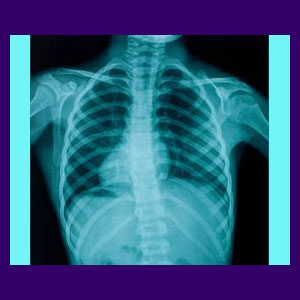
The psychology of scoliosis affects developing children and teenagers just as much as the physical condition could ever do. Scoliosis is a condition characterized by an atypical side-to-side curvature of the spine, often creating an unusual appearance and making the affected young person feel different and extremely self conscious. While mild to moderate scoliosis is rarely inherently painful, the diagnostic nocebo effect of the condition can sometimes contribute to the development of back pain, which might become a chronic lifelong concern. Of course, adults can also be affected by the same mindbody processes as children. Regardless of age, many people diagnosed with scoliosis experience extreme fear for their future functionality and wonder how they will be limited by their condition. This can create unnecessary anxiety and even depression in some patients.
There is no denying that the psychological effects of spinal curvature may last for a lifetime, unless the patient is given proper factual information about their condition and unconditional emotional support.
Psychology of Scoliosis Diagnosis
Being diagnosed with scoliosis is a scary experience. I know from first hand knowledge, since I was diagnosed at age 16, by my first chiropractor. Later on, I found out that my spinal curvature was extremely mild and actually barely qualified to be called scoliosis at all.
However, at the time of diagnosis, my chiropractor used this condition to explain both the tremendous back pain I was experiencing, as well as my prematurely advanced lumbar degenerative disc disease. He certainly made me feel as if life was over for me at 16. I was so frightened by the way he explained the condition to me, my symptoms got immediately worse and thus began the lifelong struggle I have fought against back ache.
It is crucial that young people are provided with an honest and upbeat view of scoliosis when first diagnosed. It is well known that minor cases of the condition is virtually always asymptomatic and this fact should be made very clear to people affected by spinal curvature. If not, fear will sink in, laying the ideal groundwork for a psychosomatic back pain syndrome to begin. It happened to me. It can happen to anyone.

Psychology of Scoliosis Treatment
Treating most cases of juvenile scoliosis consists of simply monitoring the condition or using a back brace in an attempt to stop further progression of the curvature and maybe even reverse the process to some degree.
Bracing is difficult for a child or teen to endure, since it is yet another characteristic which sets them apart from their peers. It is crucial to reassure young people about using their brace and allow them to participate in all appropriate activities.
Treating a young person with scoliosis like damaged or fragile goods is certainly not advised, since it will further alienate them from enjoying a normal childhood. Emotional trauma suffered early in life is a known cause and contributor to a variety of extremely problematic physical and mental health issues. Therefore, keep this in mind when dealing with kids and scoliosis.
Scoliosis Emotional Consequences
Scoliosis can occasionally look frightening, but is usually of little concern. Severe cases of scoliosis are the exception to the rule and might even necessitate back surgery at some point to stabilize the spinal column. Luckily, these circumstances are very rare and do not represent the average case of spinal curvature.
Remember what it is like to be young and highly sensitive to your body image and social interactions. Consider that children feel tremendous fear about scoliosis, even if they do not voice it openly. There can never be too much reassurance and positive reinforcement given to a child who must wear a brace for any length of time. Most of all, make sure that these children understand that their condition should not leave them disabled, different, in pain or less capable to participate in all of life’s wonderful activities.
Adults should also receive emotional guidance from their doctors, even if their spinal curves are likely to get worse with time. Just because a mind is mature does not mean it is in any way immune from suffering fear and a subsequent exacerbation of pain.
Learn all the facts of scoliosis and fully understand the nature of your particular diagnosis. Knowledge will help relieve the stress and worry over your future. Knowing what to expect is always better than not knowing and imagining the worst.
Back Pain > Psychology of Back Pain > Psychology of Scoliosis