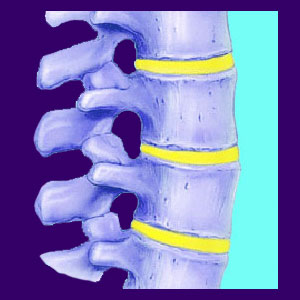
The psychology of spinal stenosis is an important factor in determining how well a patient will respond to treatment. Spinal stenosis describes a condition in which the actual spinal cord or cauda equina is being compressed by some structural abnormality. Symptomatic spinal stenosis can be devastating, while the completely normal and expected degenerative processes which act upon the spine are often misdiagnosed as creating a stenosis condition. Being that all stenosis issues have the potential to affect the spinal cord and nerves, there is an inherent fear factor which may be difficult to overcome.
Understanding the facts about stenosis and seeking emotional support is paramount for any patient who receives the diagnosis. This essay helps assure patients who have been told they are suffering from a stenotic narrowing in their spines.
Diagnostic Psychology of Spinal Stenosis
Most cases of diagnosed mild to moderate spinal stenosis are actually not harmful or symptomatic in any way. It is normal for the spinal canal to narrow with age and a stenosis condition is virtually expected in elderly individuals.
Arthritis in the spine is responsible for creating most stenosis conditions, but disc degeneration and herniated discs can also play a role. Some patient’s stenosis is blamed on degenerative spondylolisthesis or some form of unusual spinal curvature. These changes are most often located in the lower lumbar or mid to lower cervical regions of the spine, but can take place anywhere in less common scenarios. Regardless of the cause of stenosis, the diagnosis is often terrifying for the affected person. Stenosis paints a mental picture of the vertebral structures impinging on the spinal cord, pinching it and causing painful misery throughout the body.
The diagnostic manner of the physician can add to this fear through the considerable power of the nocebo effect or can negate it completely, if the patient is enlightened as to the true asymptomatic nature of most minor stenotic conditions.

Therapeutic Spinal Stenosis Psychology
Once a patient enters treatment for any back pain syndrome, they hope to find relief. Spinal stenosis is, of course, no exception to this rule. However, patients must understand that even if their pain is actually due to structural spinal cord compression, many treatment options will not cure it.
Stenosis is mostly treated using symptomatic therapy options, which have no hope of changing the spinal anatomy or reversing the degenerative changes which have occurred.
Spinal stenosis surgery is the one exception to this rule, but operations come with a variety of risks and contraindications of their own.
Patients should be educated to understand what to expect from any particular treatment option prior to participation. This will prevent the inevitable disappointment which will come in months or years, when the pain remains, despite a variety of unsuccessful therapy modalities.
Psychology of Spinal Stenosis Considered
As previously mentioned, most cases of stenosis are simply physical changes, but not causes for concern or definitive sources of pain. In these instances, the stenosis may have been mistakenly blamed for causing symptoms, when in fact, it is just a back pain scapegoat.
Patients with this experience should consider utilizing knowledge therapy as their treatment of choice to overcome the fear and mythology of the diagnosis and recover using a risk-free and statistically proven approach to care.
For patients with serious symptomatic spinal stenosis, my heart goes out to you. You might have to make the difficult choice between ongoing symptomatic back pain treatment and risking the great unknown of surgical intervention. Before making your choice, look into spinal decompression as a potential treatment for some forms of stenosis. This non-surgical therapy has worked wonders for millions and continues to offer an effective noninvasive solution for a host of back pain syndromes.
Once you understand the extent and prognosis for your particular type of stenosis, then you can proceed with dealing with the emotions which are sure to follow. Talk to your doctor or a mental health professional if you feel that the psychological consequences of the diagnosis are preventing you from recovering or causing any other problematic effects in your life. Do not suffer alone and in silence.
Back Pain > Psychology of Back Pain > Psychology of Spinal Stenosis