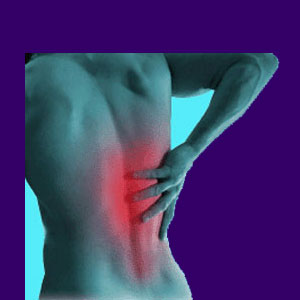
A pulled back muscle is a common layman’s term for a minor muscular injury typically related to sudden trauma. Lifting and bending are the most commonly cited sources, but sporting injuries are close behind. Pulls in the soft tissues can affect the muscles or their attaching ligaments. In other cases, the tendons or fascia may be injured instead. Some patients use the term pull to identify a more significant injury, such as when a bone is removed from the socket joint. A pulled shoulder is a common example of this terminology.
There are certain pulled back muscle symptoms that are common to all back muscle pain conditions. Most minor muscle and ligament injuries are not usually serious, but can be extremely painful. The horrible agony might make the patient think that they have suffered significant damage to their back or spine. Remember that muscle injury should not leave permanent damage, as long as it is rehabilitated correctly. If it is ignored, or worse yet, exacerbated, various negative results can occur, including scar tissue formation or repetitive strain disorder.
This discussion centers of evaluating muscular pulls in the dorsal anatomy. We will detail the symptoms of common muscular pulls and provide some important treatment advice to speed healing.
Symptoms of a Pulled Back Muscle
The following are common symptomatic expressions of pulled muscles. It is always best to seek professional diagnostic evaluation of any painful injury to be sure of the best treatment practices for each condition:
Pain – The actual site of the injury will hurt. It is also common for the pain to radiate out from a central point into surrounding muscle tissue. The pain might be sharp, burning, dull, aching, blinding or a combination. The pain might be constant or related to an activity or movement. Doctors always hear: “It hurts when I…”
Stiffness or tightness – The affected muscle or ligament might feel stiff and resistant to movement. There may be a pulling feeling in the muscle. It might feel shorter than usual, as if it can’t stretch to its normal potential.
Back muscle spasm – Muscles that are newly injured might go into spasm. This is when the muscle contracts violently and uncontrollably. Back spasm can last seconds, minutes or hours. Sometimes, it might last for days. Muscle spasms are terribly painful.
Heat in the muscle – Affected area might feel hot to the touch or may experience a sensation of internal heat.

Pulled Muscle in the Back Analysis
Here is some common sense advice for dealing with minor muscular pulls and strains. Remember to seek advice from your doctor when dealing with any significant muscular pain syndrome:
Take it easy. Use ice for the first 24 to 48 hours to reduce swelling. Get some rest. After the first day, slowly start to move around and get the blood flowing into the muscle. Heat can be great to increase circulation, as can a nice soothing massage.
The main thing to do is to relax. If you worry about the back muscle injury or obsess over the symptoms, you are setting up the ideal conditions for a chronic pain condition to begin. Have faith that the pain will be short lived. Work on carefully rehabilitating the injury as soon as it is healed.
Try not to let emotional stress affect your body or tighten your muscles. Remember that the mind will always influence the symptomatic process for any health crisis.
You can read detailed advice on my page titled pulled muscle in the back.