Quadriplegia is a limited neurological state which affects the upper and lower body of the affected individual, including all 4 limbs. The condition is also commonly called tetraplegia. The name comes from the Latin word quattuor, (or Greek word tetra), meaning 4 and the Greek word plege, meaning stroke. Full body paralysis is yet another name for the quadriplegic condition.
This essay examines the condition of four limb paralysis in compete and incomplete forms. We will examine life in a paralyzed state and provide guidance for patients who are learning to live with a recent spinal cord injury or disease that has caused them to lose feeling, movement or both, in all 4 limbs.
What is Quadriplegia?
This paralysis condition describes a complete or partial loss of motor and sensory function in the arms and legs, as well as part or all of the torso. Every patient demonstrates a unique symptomatic profile, depending on the nature, severity and location of the causative condition in the spine.
Complete tetraplegia means that all nerve function below the affected spinal level is lost.
Incomplete tetraplegia means that only some of the nerve activity is lost and some functionality remains.
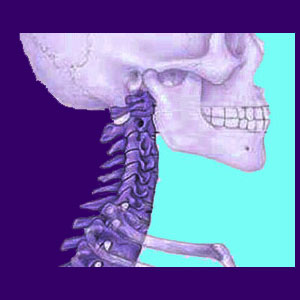
Tetraplegic conditions exist when the causative spinal concern exists above the C7 vertebrae. More severe forms of the condition exist when the causative spinal condition exists above the C5 vertebral level. As with all spinal cord injuries, the higher on the spine the causative condition exists, the more serious and wide-spread the symptoms will be.

Quadriplegia Causes
Tetraplegia can be caused by many possible sources. Many individuals are stricken with a congenital or developmental condition, such as spina bifida. Several rare but life altering diseases can cause complete full body paralysis. Trauma to the spinal cord is one of the most common causes of tetraplegia and is usually the result of car accidents, gun shots, sports trauma or serious falls.
Spinal cord damage above the C7 level will cause reduced or fully lost functionality in the arms and legs. Injury above the C5 level will begin to affect many of the internal processes of the torso, as well. Higher cervical injuries will affect the autonomic system and can cause complications with organ function, breathing and other vital processes. The highest level cord traumas can prove fatal immediately or eventually.
Quadriplegic Risks
Quadriplegics have a heightened risk for many potentially life threatening conditions, as well as many less serious health concerns:
Pressure sores can result from both long periods spent in bed or in a wheelchair and can be exacerbated by poor circulation common to most affected patients.
Vein thrombosis is also a real problem for many tetraplegics and might lead to stroke, heart attack or aneurism.
Septicemia and pneumonia are conditions which take advantage of the compromised immune systems of many patients.
General concerns for most quadriplegics include the general loss of mobility and functionality, loss of bowel and bladder control, loss of sexual functions, chronic constipation and internal organ concerns, especially with high level cervical injuries. Some patients require a ventilator in order to breathe and most high level injury patients require constant and ongoing care.
Life as a Quadriplegic
Although this condition is very physically limiting, today’s tetraplegics still enjoy a better quality and duration of life than ever before. Technological breakthroughs have increased patient mobility, functionality and communicative abilities.
Portable support systems have given all but the most dire of patients some measure of independence and autonomy. Computers have provided the most crucial help with so many facets of life, including career-oriented, communication and entertainment applications.
Preventative and maintenance care is crucial for keeping up good health. There are far too many opportunistic conditions which might seriously affect a tetraplegic at any point in life. Make sure to see your doctor regularly and get checked out if you even suspect that something might be wrong.
Keeping a positive mental state will help improve both the quality of life and your remaining physical functionality. Life is a gift and there is no reason why even a high level quadriplegic can not find joy and peace while still living with their considerable hardships.