
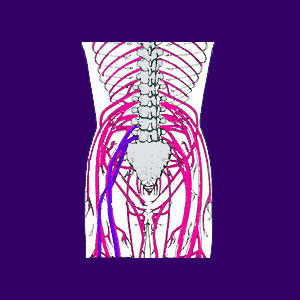
Radiculopathy is the scientific name for compression of a spinal nerve root, leading to symptoms in areas of the body served by that nerve. The most common symptoms are pain, tingling, weakness and numbness, usually in transitional steps. The patient may or may not experience any pain in the affected region of the back.
Radicular pain may be enigmatic in its underlying source process. Nerve conduction testing will sometimes implicate one or more nerve roots in the symptomatic expression, but no structural issues may be present to explain the problem. In other scenarios, a structural abnormality may exist close by, yet does not definitively compress the affected nerve. In many cases, coincidental spinal issues are deemed causative for compression when they are actually innocent.
This article provides a comprehensive overview of suspected pinched spinal nerve root problems, commonly diagnosed as radicular pain.
Diversity of Nerve Compression Issues
Lumbar radiculopathy is often diagnosed as sciatic nerve pain. It is a compression of one or more nerve roots in the lower back, leading to symptoms in the buttocks, legs and feet. A physical exam will help the doctor to determine which nerve root is being compressed. Each spinal level has very distinctive symptoms when that particular nerve root is compressed. This is also one of the reasons why sciatica patients might all suffer from completely different pain patterns.
Cervical radiculopathy is commonly referred to as a pinched nerve. It describes compression of one of more of the delicate nerve roots in the neck. Symptoms might be experienced in the neck, face, shoulders, arms or hands. Once again, a physical exam from a qualified neurologist will give some clues as to which level is affected.

Thoracic radiculopathy is a relatively uncommon form of compressed nerve in the middle back. This region is not designed to bend and flex as much as the lumbar or cervical levels. This keeps the thoracic area less likely to develop many common spinal ailments. In cases of thoracic nerve compression, the patient may experience symptoms in the arms, chest, abdomen or pelvis.
Diagnosis of Radiculopathy
Accurate diagnosis can only be made using advanced imaging techniques, such as spinal MRI or CT scan, in combination with specialized neurological evaluations. A physical exam will give the doctor preliminary information, but will not provide the evidence needed to make a diagnosis.
Always be sure that you receive a confirmation of the diagnosed problem prior to beginning any treatment. Remember that x-rays can not diagnose a nerve condition or accurately image any of the soft tissues in the body.
Remember also that a physical or chiropractic exam alone can not definitively diagnose a pinched nerve, no matter what you may have been told. Diagnosing the condition via clinical presentation alone most commonly leads to terrible pinched nerve therapy results.
Radiculopathy Thoughts
So many cases of radicular pain suffer from misdiagnosis. In the majority of patients, the actual nerve tissues involved may have been correctly identified, but the source process enacting symptoms is usually the error.
Remember that many of the conditions blamed for causing pinched nerves are normally and/or universally found in the lumbar and cervical regions of the vertebral column. These include disc desiccation, herniations and ruptures, as well as facet joint and general arthritic deterioration.

In a large percentage of patients I correspond with, the symptoms experienced are far to diverse to possibly be enacted solely by their diagnosed condition. Remember, each spinal nerve will produce a definitive symptom pattern when compressed. When symptoms reside outside the expected areas, then it is logical that another or a different causative process exists.
The more you know, the better off you will be when it comes to seeking care for any neurological back or neck pain issues. Trusting blindly has led many patients down the wrong path. I suffered for 18 years, until I finally caught on and realized that everything I had been told by my doctors was mostly untrue.