
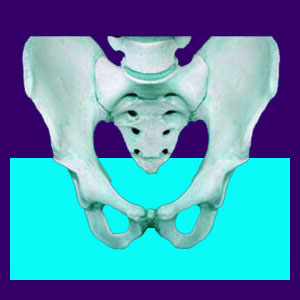
Sacroiliac joint pain is a diagnostic theory which states that lower back, buttock or hip discomfort is produced inside the SI joint itself or in the soft tissues which regulate the joint functionality. Often this pain is diagnosed as sciatica, even when it is blamed on the sacroiliac. It must be noted that sciatica is a symptom and never a diagnosis unto itself. Additionally, when not enacted by a spinal source, the term pseudo-sciatica should always be used, since true sciatica is always linked to a spinal nerve root origin.
Regardless, it is crucial to understand that the sacroiliac joint is one of the toughest in the body and is rarely to blame for chronic severe back and leg pain conditions. However, sacroiliac concerns are diagnosed more and more every year and are steadily becoming yet another back pain scapegoat syndrome, despite little evidence that they ever are the true reason for pain to exist in most patients.
The focus of this article will provide a general overview on sacroiliac pain, including some lesser known aspects of the condition which should be understood by every diagnosed patient.
Sacroiliac Joint Symptoms
The diagnosis of an SI joint problem is often made by exclusion, rather than by confirmation. Typically, the patient will demonstrate unresolved lower back pain, back and hip pain or sciatica which have not responded to a variety of appropriate treatment options. There were no spinal causations discovered in the lumbar region and so the quest for a diagnostic answer expanded to the surrounding anatomy.
The SI joint is commonly implicated in cases such as these, along with the other option, piriformis pain syndrome. Most diagnostic conclusions are finalized using anesthetic injections into the SI joint itself. If the patient receives relief, then the sacroiliac is typically vilified as the source of symptoms. If not, the the search for the real causation continues.

Sacroiliac Joint Pain Treatment
Treatment for SI joint concerns depends on the nature of the diagnosed condition:
Sacroiliitis describes arthritic changes in the bones which make up the SI joint.
Sacroiliac joint dysfunction is a term used to describe ligaments which are too tight or too loose in the joint.
Regardless of which diagnosis is made, treatment is generally conservative and typically keeps the patient in ongoing care via physical therapy, chiropractic or pharmaceutical intervention. Pain management drugs are always the most common therapy option and demonstrate the usual risks inherent to all pharmaceutical treatment.
Since care is generally provided over a long timeline, the profitability of SI joint therapy is very high. This is reinforced by the simple fact that none of these methods of care have much hope of actually curing the diagnosed source of pain, even if the diagnosis is correct.
Sacroiliac Joint Pain Explanations
The SI joint can degenerate, just like any other joint. These changes are typically normal and expected, just like other arthritic processes and are rarely to blame for serious back or sciatic nerve pain. Of course, there are exceptions to this rule, but just remember… These are exceptions, not the general rule.

Most patients diagnosed with SI joint problems are actually suffering from some other structural or mindbody condition unrelated to the SI joint.
If you have been diagnosed with SI joint pain, but have not received lasting relief from a variety of therapy options, consider the strong possibility that your pain has been misdiagnosed. Do not be surprised if this turns out to be the case, as it happens to many patients and is one of the main reasons behind the back pain epidemic which is overwhelming our healthcare system today.