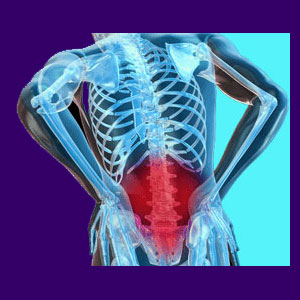
Sciatica lower back pain is a common add-on symptom to the already torturous misery which runs down the legs. Sciatica is actually defined as pain and neurological symptoms including tingling, numbness and weakness in the legs and or feet.
However, many patients suffer these symptoms in combination with lower back and buttocks pain, as well. These particular symptoms are sometimes excluded from a traditional sciatica diagnosis, since the areas involved may exist higher than the beginning of the actual sciatic nerve.
Being that so many of the suspected causes of sciatica exist the lumbar spine, it should be no surprise that regional pain might also exist in the low back. Remember that although the nerve roots might be compressed causing sciatica, the compressive process itself might also be painful, enacting the low back symptoms in many patients.
This narrative focuses on the combination misery of lower back and leg pain.
Sciatica Lower Back Pain Diagnosis
Most sciatica and lower back pain conditions are blamed on a structural spinal abnormality in the lumbar or lumbosacral spinal regions. Most often, this is a herniated disc, degenerated disc or spinal arthritic osteophyte complex existing at L4, L5 or S1. This is almost universal in the back pain diagnostic industry for lower body neuropathy concerns. Some patients may be diagnosed with a less typical causative condition, such as scoliosis, spondylolisthesis or lumbar lordosis as their primary source of pain.
Regardless of the actual diagnosis pronounced, the chance of it being incorrect is high, since the structural model of back pain has been proven to be misinformed and antiquated for many patients. Remember, statistically, back pain does not exist in these diagnosed patients any more than it does in people without these abnormalities. In essence, spinal irregularities have a good chance of being coincidental to any pain endured.
The good news is that when the diagnosis of a structural issue is definitive, treatment is usually successful. For patients who can not achieve lasting symptomatic respite, it may be best to reconsider the diagnostic validity and seek a second opinion.

Sciatica and Lower Back Pain Treatment
The strongest evidence that diagnosis of lower back pain remains mostly unenlightened is that the vast majority of treatments fail miserably time and time again. Sciatica and low back pain are known to be the most treatment-resistant of all dorsopathy syndromes, despite an incredible diversity of available treatment options ranging from the ultraconservative to the incredibly invasive.
All these back pain treatments do not typically fail due to poor technique or incorrect application by the care provider. They usually fail simply because they are all targeting a misdiagnosed anatomical source when all along that perceived causation is innocent of enacting any pain whatsoever. In essence, the irregularity, whatever it may be, is simply there, but not the real reason for the pain.
This idea has received tremendous support in recent years, since diagnostic protocols issued by major medical organizations have been revised to demonstrate a lack of correlation between the most common structural issues and the incidence of pain. Basically, the presence of an irregularity in the spine does not mean pain will occur and the absence of an irregularity will not mean pain will not occur.
Sciatica Low Back Pain Guidance
I regularly advise all patients to get involved with their own treatment. Do not allow some back doctor, chiropractor or therapist to take over the reins on your life and lead you wherever they have the whim. This is a mistake I made early in life and it cost me dearly. Do not simply stand by and allow a care provider to blame your pain on some spinal issue, when the symptoms you are dealing with do not even match the clinical expectations for the diagnosis.

How will you know if this occurs? Simple. Research and learn. Do not sit idly while someone ruins your life.
I wasted 18 years trusting numerous doctors and chiropractors who did nothing to cure my back pain and everything to insure that it would continue to plague me with everlasting agony, despite some truly well-meaning intentions. Do not suffer this same fate!
If your pain does not get better, look to the diagnosis as the most logical reason. It is never too late to cure pain once the real reason why it exists has been discovered. These are words of wisdom to live by.