
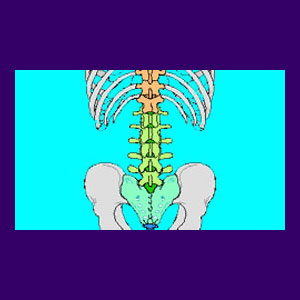
SI joint sacroiliitis is a diagnosis involving pain and inflammation inside the actual sacroiliac joint, as opposed to the ligament issues linked to sacroiliac joint dysfunction. SI pain is a common back pain scapegoat, since many of the completely typical aging processes are mistakenly implicated in causing pain here, often without any definitive evidence of pathology at all. Although the joint is incredibly durable, arthritic changes are normal, just like in many other major joints in the anatomy.
In some instances, SI pain may be present and sourced by severe structural issues, but in many other cases, the theory of symptoms enacted by changes in the SI joint is incorrect. Remember, there can be many potential structural explanations for pain in the low back, buttocks and hip regions and a great number of possible nonstructural sources, as well.
This narrative delves into the diagnosis of SI joint pain problems that might be created by age or trauma.
SI Joint Sacroiliitis Definitions
The most common cause of true sacroiliitis is osteoarthritis. This is a normal degenerative process which affects people almost universally to one extent or another. It is found in many anatomical locations and involves a breakdown of the protective measures in the joints.
Although osteoarthritis can cause some discomfort, it is rarely the source of severe or chronic pain, especially in the back or SI joints. Extreme cases can be the exceptions to this rule and may require drastic or even invasive treatments.
Other causes of sacroiliac change involving the joint itself, include pregnancy, infection, injury and a variety of disease or problematic autoimmune processes.

Sacroiliitis Back Pain
Typically SI joint symptoms will feel like they exist in the hip area, although some can express themselves more towards the depths of the buttocks or lower back. In some cases, sciatica is blamed on SI joint concerns, although this diagnostic theory is often incorrect.
Lower back and hip pain is sometimes ruled out as being sourced in the lumbar spine, so the quest continues to seek out a potential causation. In many patients, this expression is eventually diagnosed as piriformis syndrome or sacroiliac joint issues, which are rarely accurate conclusions.
The SI joint is implicated when imaging studies show degeneration, but it is crucial to remember that degeneration is normal and part of the typical life of this and almost all joints.
The most common cause of true sacroiliitis is osteoarthritis. This is a normal degenerative process which affects people almost universally to one extent or another. It is found in many anatomical locations and involves a breakdown of the protective measures in the joints.
Although osteoarthritis can cause some discomfort, it is rarely the source of severe or chronic pain, especially in the back or SI joints. Extreme cases can be the exceptions to this rule and may require drastic or even invasive treatments.
Other causes of sacroiliac change involving the joint itself, include pregnancy, infection, injury and a variety of disease or problematic autoimmune processes.

SI Joint Sacroiliitis Symptoms
Typically SI joint symptoms will feel like they exist in the hip area, although some can express themselves more towards the depths of the buttocks or lower back. In some cases, sciatica is blamed on SI joint concerns, although this diagnostic theory is often incorrect.
Lower back and hip pain is sometimes ruled out as being sourced in the lumbar spine, so the quest continues to seek out a potential causation. In many patients, this expression is eventually diagnosed as piriformis syndrome or sacroiliac joint issues, which are rarely accurate conclusions.
The SI joint is implicated when imaging studies show degeneration, but it is crucial to remember that degeneration is normal and part of the typical life of this and almost all joints.