
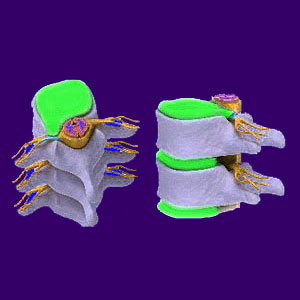
The spinal cord is the main nerve conduit between the brain and the rest of the body. The brain and the cord form the central nervous system, which is the most vital system in the body. After all, the central nervous system controls all the other anatomical processes either through constant active regulation or autonomic parameters.
Nerve roots branch off the cord, exiting the spine at every vertebral level and go on to form the main neurological pathways in the body. These main nerves then branch out to become all the smaller peripheral nerves which carry sensory, motor and autonomic signals throughout the anatomy.
The human nervous system is a complex network of tissues ranging in size from the largest sciatic nerve to the tiniest microscopic nerves. This essay explores its main component, the central vertebral cord and its major functions for motor, sensory and autonomic process communication.
Spinal Cord and Nerves
The nerves at the upper part of the spine connect to the head, neck arms and areas in the upper body, including the chest, upper back and shoulders. The nerves in the middle of the spine connect to the abdominals and areas in the middle of our body. The nerves in the lower spine connect to the legs and lower parts of our body. This is the reason we experience symptoms in other anatomical regions when the spine is injured. All of these nerves connect into the spinal cord.
Nerves that connect to the spine come in 3 varieties, motor nerves, sensory nerves, and autonomic nerves. Motor nerves supply signals that create movement in a muscle. Sensory nerves transmit signals of feeling, such as temperature, texture and pain. Autonomic nerves transmit signals that control involuntary reactions, such as heart rate and digestion.

The cord actually ends in the upper lumbar spine in most patients, typically at L1 or L2, and is replaced by the remaining cauda equina nerve roots within the central vertebral canal.
Spinal Injury to the Cord
A spinal cord injury is a very serious occurrence. Any type of nerve damage might become permanent and trauma to the actual cord will almost always enact considerable symptoms in affected patients. Paralysis is the all too frequent result of serious cord injury and may lead to a paraplegic or quadriplegic condition, depending on the location and severity of the spinal trauma.
Cord injuries have few treatment options available and the most promising has been limited by political and religious pressures. Let’s hope that all warring factions can come together and make stem cell research an effective therapy option for people suffering from cord damage.
To learn more about your central nervous system or to seek qualified care from any cord-related concern, including back or neck pain, consult with your neurologist. Trusting cord-related concerns to any other types of care provider is not wise or suggested.