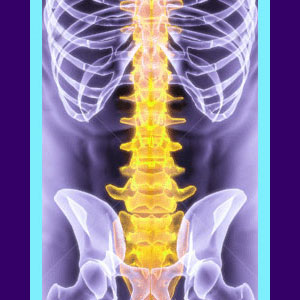
Spinal injury is defined as damage to one or more of the actual components of the backbone. General back injuries can include trauma to the spinal nerves, vertebrae, intervertebral discs, muscles and ligaments. Injuries to the spine are more specific and focus on the spinal bones and discs. Spinal injuries can be very serious, but most should heal after receiving proper treatment.
The human spine is a durable structure which is well protected in most areas. However, concentrated force applied anywhere can result in injury and this is especially common in the neck, where the weight of the head will compound the stress applied. This is why the whiplash effect is so prevalent as a source of anatomical damage.
This essay categorizes and explains the most common forms of spinal column trauma.
Spinal Injury to Intervertebral Discs
Spinal disc injury can result in a herniated or ruptured intervertebral disc. The spinal discs act as shock absorbers in between the vertebral bones and also help to increase spinal flexibility. When one or more of these structures are damaged, there is the possibility that the entire spinal region can be affected.
Disc injuries are most common in the lumbar and cervical areas of the spine, since these regions experience the most spinal movement. These are also the areas of the spine that degenerate the fastest.
Degenerative disc disease is a known contributor to herniations and this desiccation process is almost universal in the lower back and neck.
Learn more about herniated discs.

Injury to Vertebrae
Spinal bones can be injured from any significant trauma. Most often, one of the vertebral projections is chipped or broken. The spinous process and transverse process are the bony fins that project from the rear of the spine. These are the ridges you can feel through your skin when you touch the spinal area. These parts of the vertebrae are more fragile than the flat vertebral bodies.
In order for the actual vertebral body to be injured, the trauma must be concentrated and severe. However, if the patient has porous bones or osteoporosis, the probability that a compression fracture will occur from a minor injury increases and some patients might endure a break without any trauma at all.
Learn more about fractured vertebrae.
Spinal Injury to Other Structures
There are other types of injury which can occur to the structures of the spine, as well. Here are some of the typical non-bone or disc traumas and their potential effects:
Back muscle injury can affect the deep soft tissues within the spine or the superficial muscles on top on the spinal structures. Muscles, ligaments and tendons can all suffer the effects of soft tissue trauma.
Spinal cord injury and spinal nerve injury are some of the worst possible events, since neurological tissue often can not regenerate and trauma might enact permanent functional, sensory or autonomic consequences.

Help for Spinal Injuries
Injuries to the back and spine can be scary and horribly painful. Any damage to the spinal structures will most likely be the worst pain a person will ever experience in their life, but not necessarily. Some conditions, like bulging discs, are not inherently painful at all, while most soft tissue injuries, although not serious, can be excruciating.
Most spinal traumas require immediate treatment and serious injuries might require surgical correction. The most important thing to keep in mind is that the body is designed to heal. Therefore, unless the injury produces lasting and unresolved effects, chronic pain is not likely to result. Medicine has developed some miraculous technologies in the field of spinal medicine. We have come a long way from the time when a spinal injury often meant permanent disability or even death.
Most spinal injuries will heal with time. Proper treatment, rehabilitation and mental attitude are crucial in order to make a full recovery. Do not get caught in a lifelong web of chronic suffering. It is very important for the patient to work towards becoming symptom-free. Do not adopt the attitude that you are permanently injured or defective.